The latest wetland news
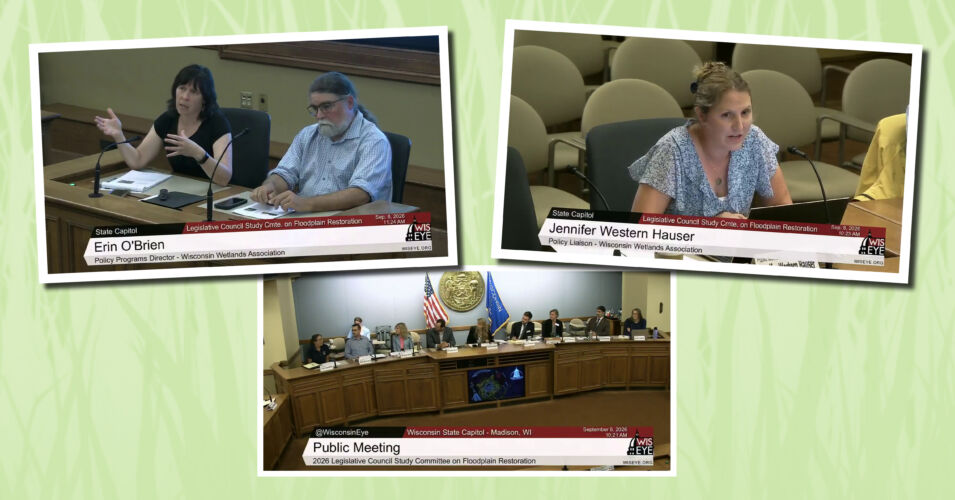
Legislative Committee begins examining barriers to floodplain restoration
Last week, the Wisconsin State Legislature convened the first-ever Legislative Council Study Committee on Floodplain Restoration. Read a recap of that meeting here.

Wetland Coffee Break: Northern lowland hardwood forests: Learning from experience, managing for change
Presenter Martha Sample shares how altered hydrology, emerald ash borer, and a changing climate are affecting northern lowland hardwood forests, and how more coordinated monitoring, reporting, and information sharing could help people manage these shifting ecosystems.
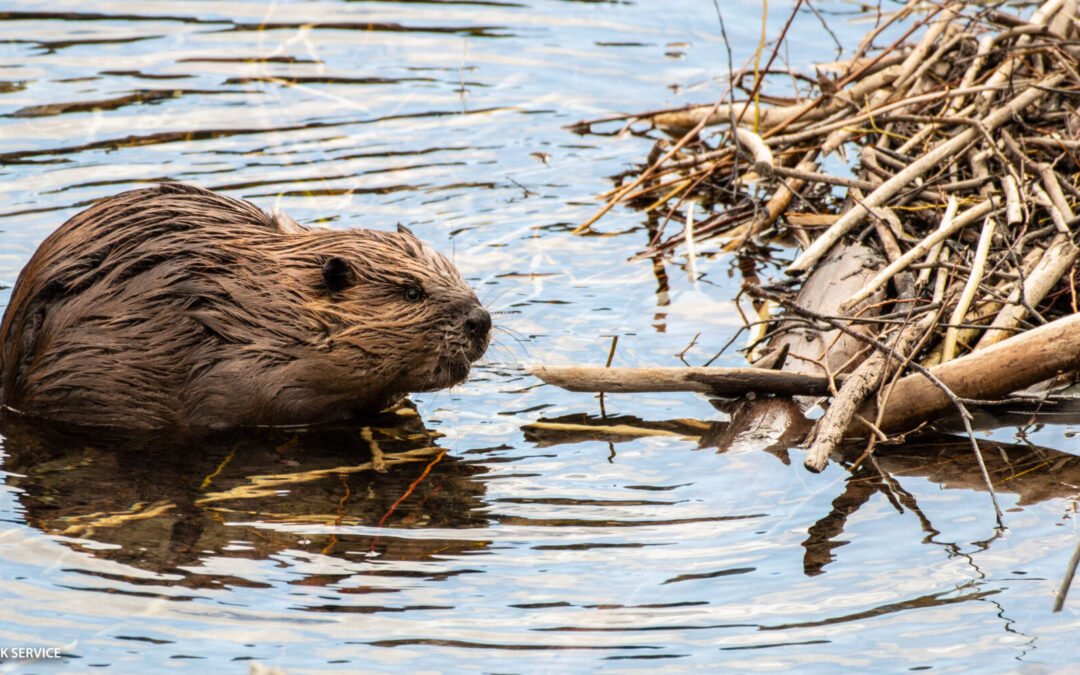
Nature Notes: Beavers and wetlands
These charismatic rodents occupy habitats in every county of the state and are second only to humans in their ability to transform landscapes.
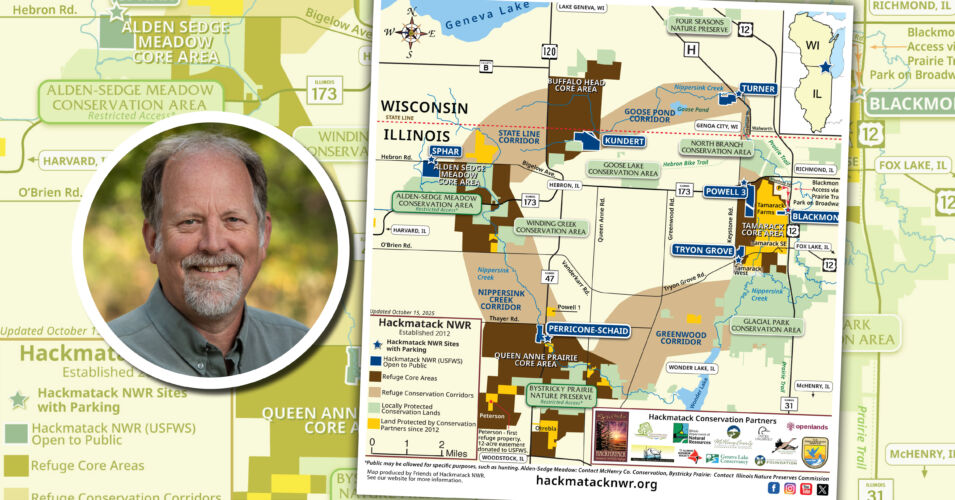
Wetland Coffee Break: Hackmatack National Wildlife Refuge: An urban gem, 14 years old and growing
The Hackmatack National Wildlife Refuge is located in Walworth County, Wisconsin, and McHenry County, IL. It is designated as an urban wildlife refuge serving nearly 12 million people who live within an hour and half drive of the refuge. The work of many land partners...
Wetland Coffee Break: Zoogeography and ethnobiology of Wisconsin’s fishes: A historical perspective
Join avocational ichthyologist Madeleine Cleveland to take a look at the people and places that influenced Wisconsin fish fauna.
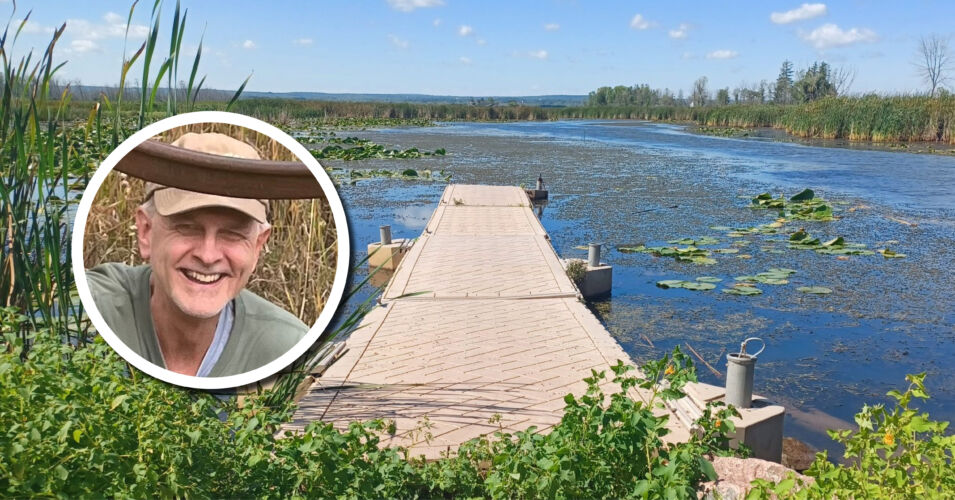
Wetland Coffee Break: Native wetland plant restoration pilot project: Fish Creek Slough Estuary in Ashland, Wisconsin
Learn about the ecological impacts on Fish Creek Slough from historic and present-day human presence, invasive species dynamics, and the emerging challenges of climate change.
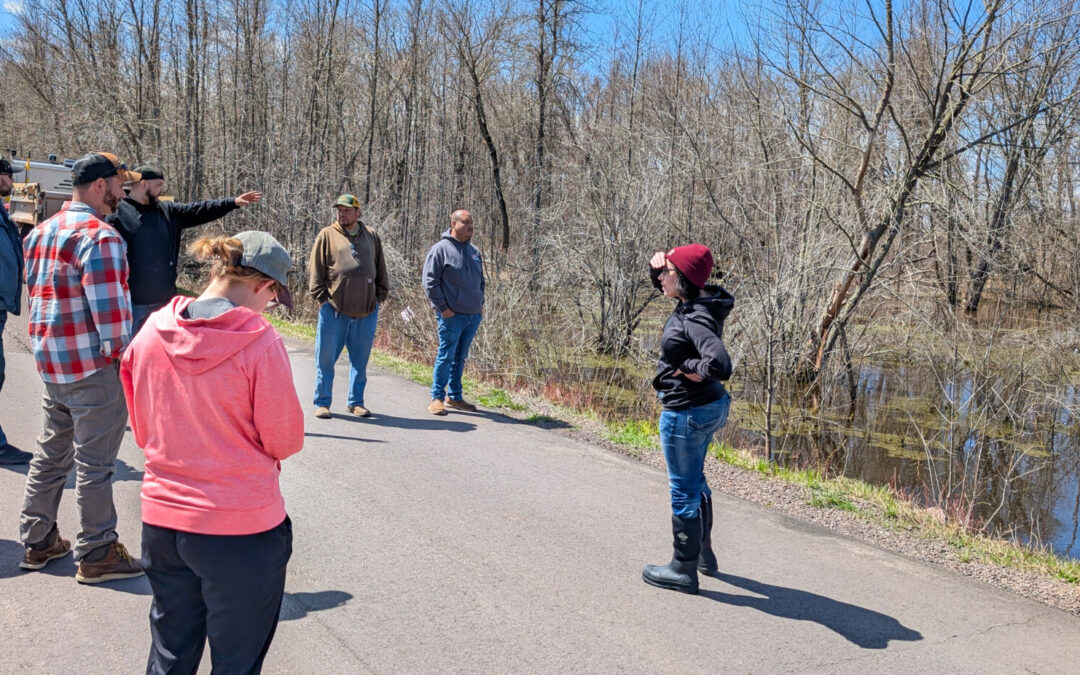
South Shore partner spotlight: Superior Rivers Watershed Association
Our partners in the South Shore Flood Resilience Assessment project are vital to its success. Learn more about one of these partners who play an important role as community liaison and technical support.
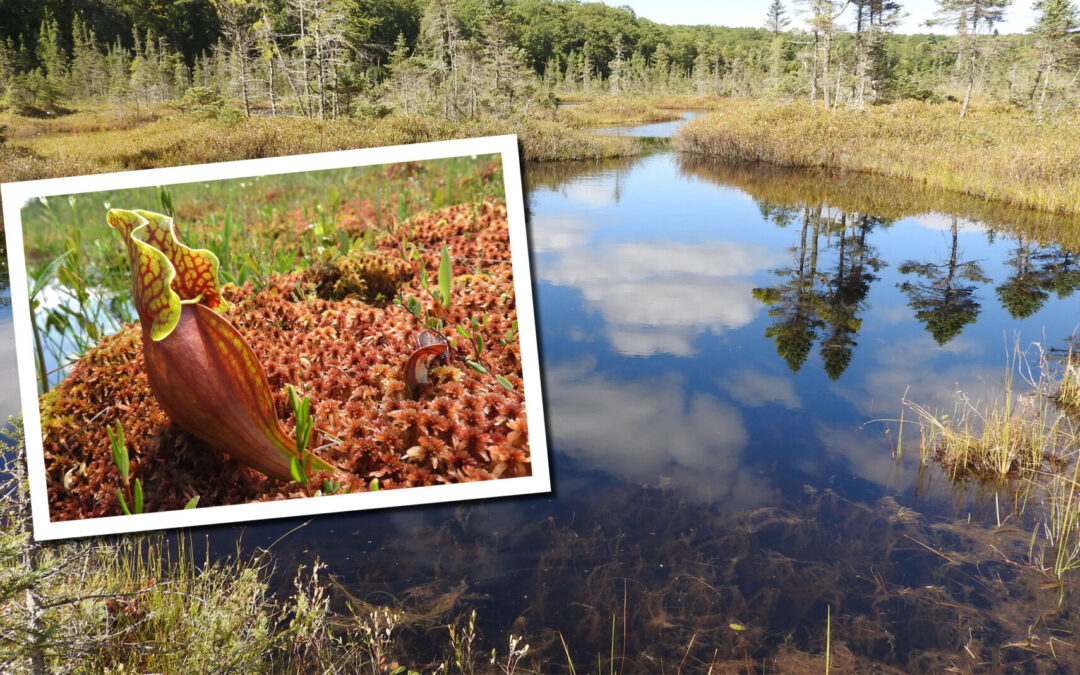
Natural Connections: The myths and mysteries of sphagnum moss
Sphagnum is a dominant part of bogs and fens. All but the uppermost leaves of the plant are made up of dead cells, which means that sphagnum moss can hold water like a sponge.
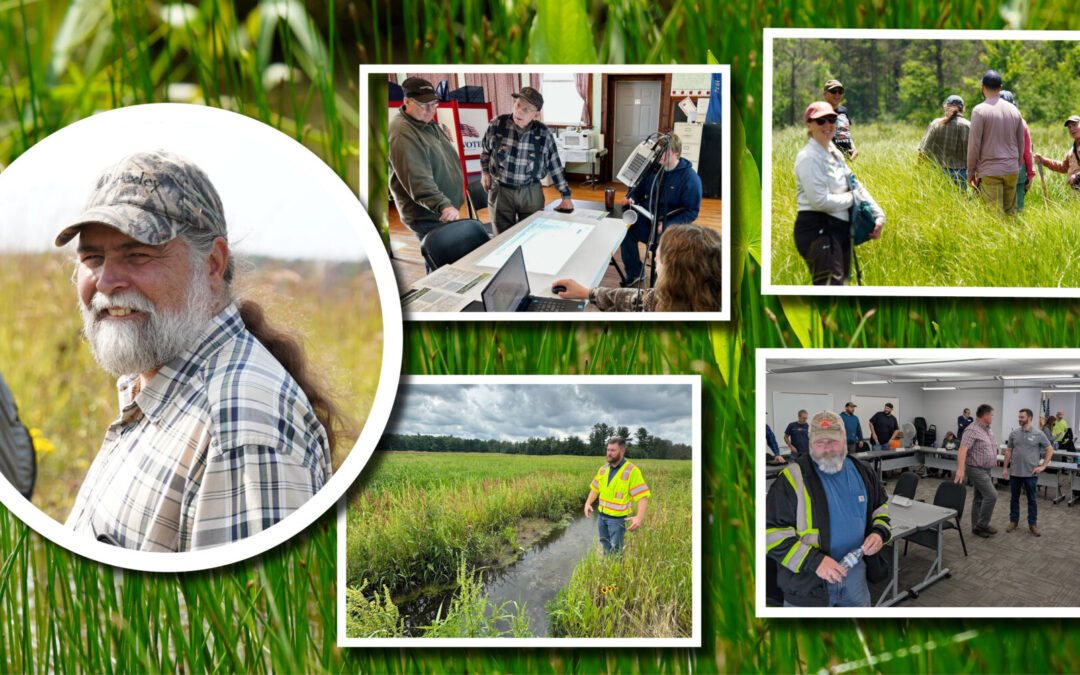
From the Director: Diverse doesn’t have to mean divisive
The wetland challenges we face are complex and also different in each region. Diverse, solution-oriented work, therefore, is needed to address the immense wetland challenges across our state.
National attention creates new opportunities for Wisconsin Wetlands Association’s Policy Programs work
With more than 50 years of experience and a string of recent policy successes, WWA is well-positioned to meet this moment.