
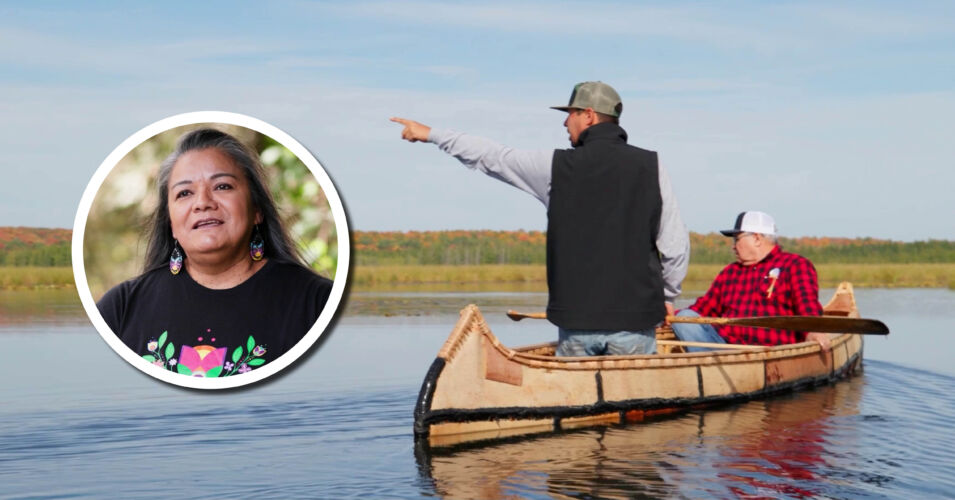
Since time immemorial, the Sokaogon Chippewa Community (SCC) has recognized the interconnections between lands, waters, and living beings, and they understand that what happens upstream affects everything downstream. This concept was physically embodied when they established a “traditional cultural district” in 2002. The district encompasses the headwaters of Swamp Creek and Rice Lake, a critical area for rice and other food and medicines. In 1995, the SCC also became the first tribe east of the Mississippi River to obtain Treatment as a State and develop water quality standards (as states do). While both the traditional cultural district and the water quality standards were codified to help the Tribe protect resources crucial to their cultural and traditional practices, they proved invaluable in the Tribe’s fight against the Crandon Mine. See the premiere of a new short video about this story and hear from Sokaogon Chippewa Community, Environmental Director, Tina L. Van Zile on this special edition of the Wetland Coffee Break.
Tina L. Van Zile, Sokaogon, Mole Lake Band of the Lake Superior Chippewa Indians
Recorded May 1, 2026
Tina L. Van Zile is a tribal member of the Sokaogon, Mole Lake Band of the Lake Superior Chippewa Indians and is the Director of their Environmental Department. She is also the President of the Wisconsin Tribal Conservation Advisory Council (WTCAC).
Related content
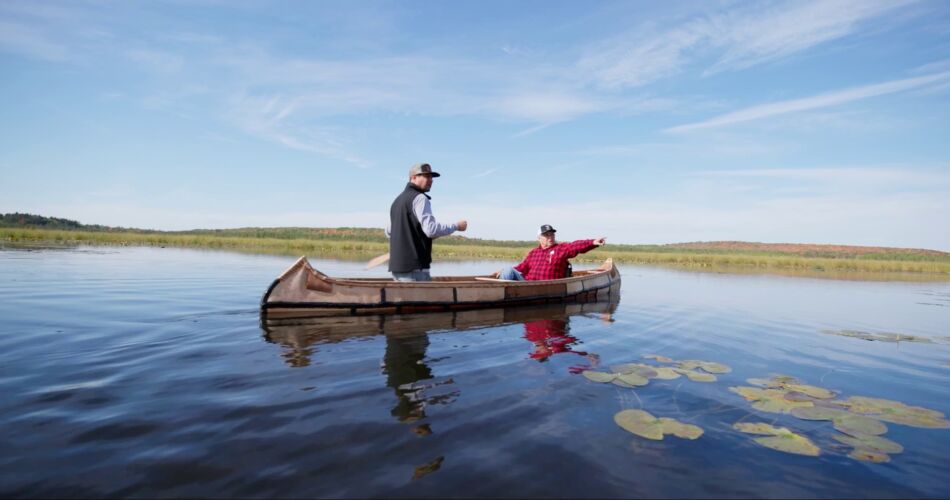
Wisconsin Tribes: Leading the way in protecting and restoring wetlands and watersheds
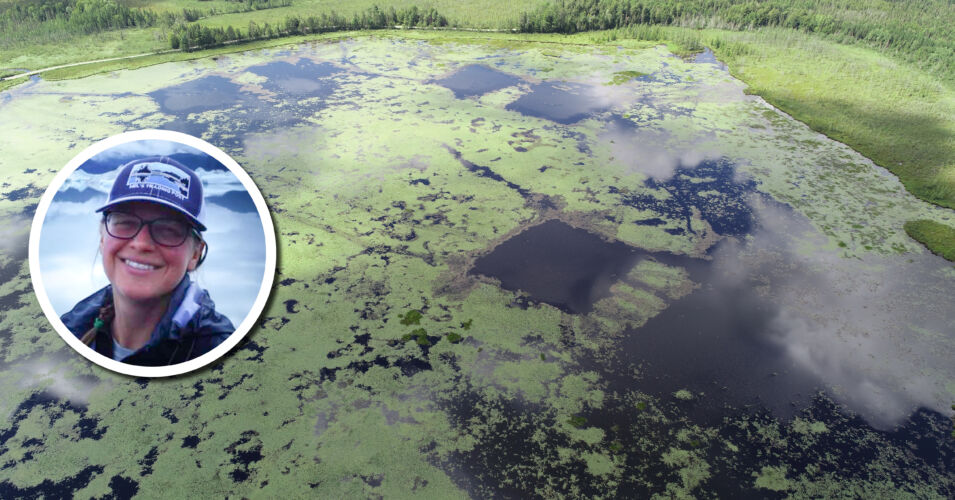
Wetland Coffee Break: Spur Lake: A long and unfinished journey
Learn more about efforts to restore and protect wild rice on the Sokaogon Chippewa’s Spur Lake.