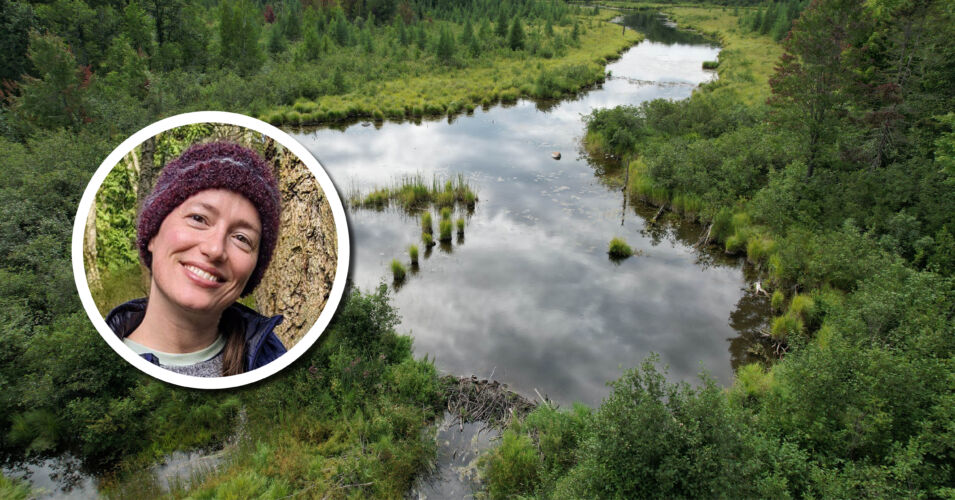
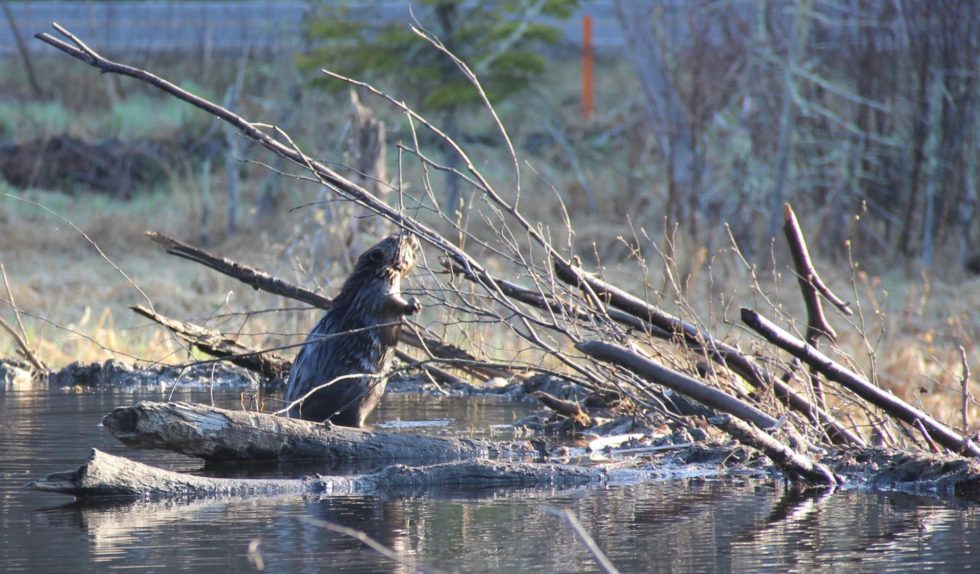
As ecosystem engineers, North American beaver (Castor canadensis; Amik in Ojibwemowin) build wetland habitats which fulfill their own needs for food and safety, while also contributing to wetland biodiversity for countless other species. Historically, beaver and other cultural keystone species such as wild rice (Zizania palustris, z. aquatica; manoomin in Ojibwemowin) coexisted with the Anishnaabeg and other Indigenous peoples of the Great Lakes region. Contemporary land management regimes intended to benefit wild rice and other species, however, have evolved such that beaver are routinely removed from wild rice waters. In partnership with the Great Lakes Indian Fish and Wildlife Commission, the Fairfax Beaver Lab at the University of Minnesota / St. Anthony Falls Laboratory is researching the hydrological impact of beavers on wild rice waters to better understand how these species impact one another and inform the direction of natural resource management related to beavers and wild rice.
Mickki Garrity, University of Minnesota
Mickki Garrity (Nishabe/Potawatomi) is a graduate researcher at the University of Minnesota. She graduated from Northwest Indian College in 2023 with a degree in Native Environmental Science prior to relocating to the Great Lakes region. In addition to her graduate studies, Mickki is also passionate about growing, foraging, and sharing local food, and enjoys exploring the trails and lakes of the North Woods with her partner and four year old daughter.
Related content
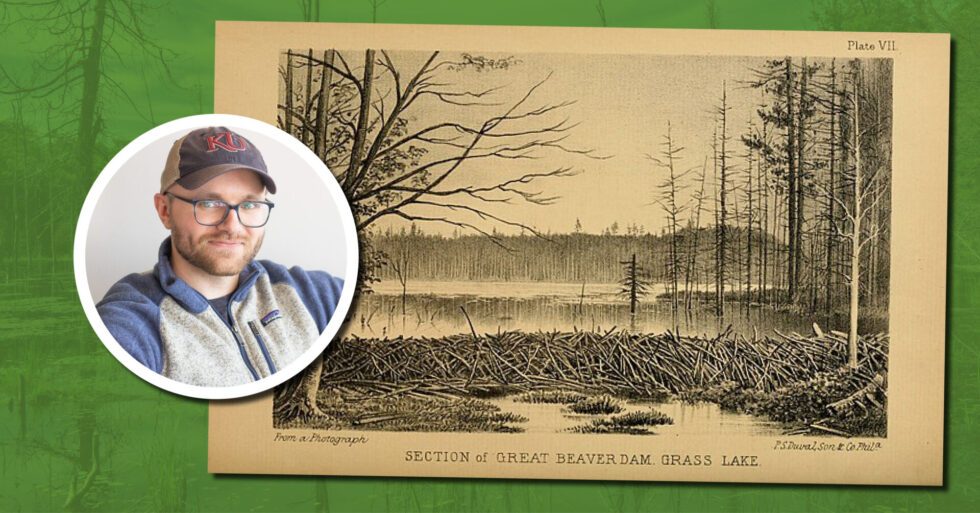
Wetland Coffee Break: The fur trade and the north woods environment
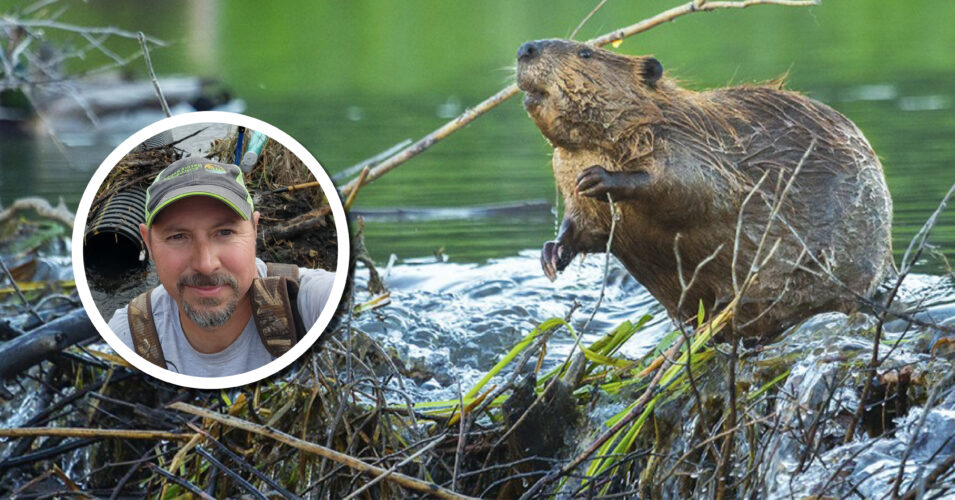
Wetland Coffee Break: Coexisting with beavers to increase wetland functionality and support biodiversity