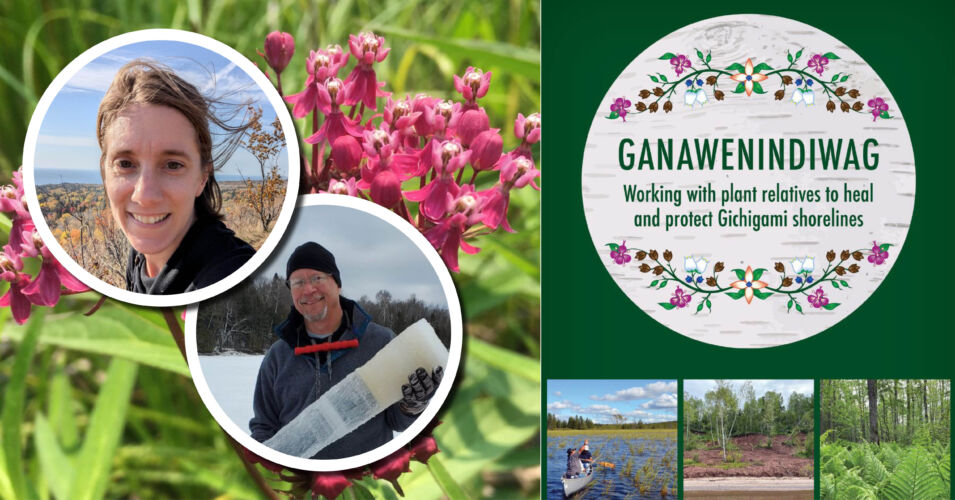
Gichigami (Lake Superior) shorelines are under pressure from erosion, human development, and climate change. In this talk, Karina Heim and Rob Croll will introduce Ganawenindiwag: Working with Plant Relatives to Heal and Protect Gichigami Shorelines, a resource that encourages people to care for these shorelines by reimagining their relationships with plant beings that have long existed in this coastal landscape and that stabilize soils, provide habitats, support culture, and offer food and medicine for humans and wildlife. Local Lake Superior basin practitioners reading Ganawenindiwag (“they take care of each other” in Ojibwemowin) may find themselves thinking about plants in a different way as they encounter a cultural framing which affirms that plant beings are our elders, relatives, and teachers.
Rob Croll, Great Lakes Indian Fish & Wildlife Commission; Karina Heim, Lake Superior National Estuarine Research Reserve
Recorded May 8, 2026
Rob Croll is the Climate Change Program Coordinator at the Great Lakes Indian Fish & Wildlife Commission. Rob and the GLIFWC Climate Change Team braid Ojibwe knowledge with western science for culturally driven and community supported climate adaptation and ecosystem resilience.
Karina Heim is the Coastal Training Program Coordinator at the Lake Superior National Estuarine Research Reserve. Her work is focused on developing learning opportunities that help local decision‑makers address persistent land and water challenges.
Related content
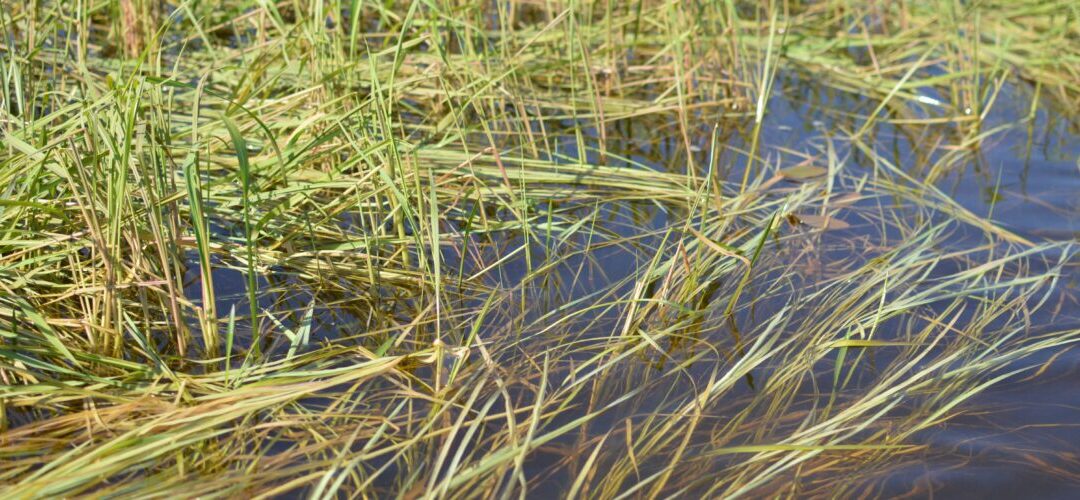
Manoomin/Wild Rice: The ecology and importance of a wetland treasure
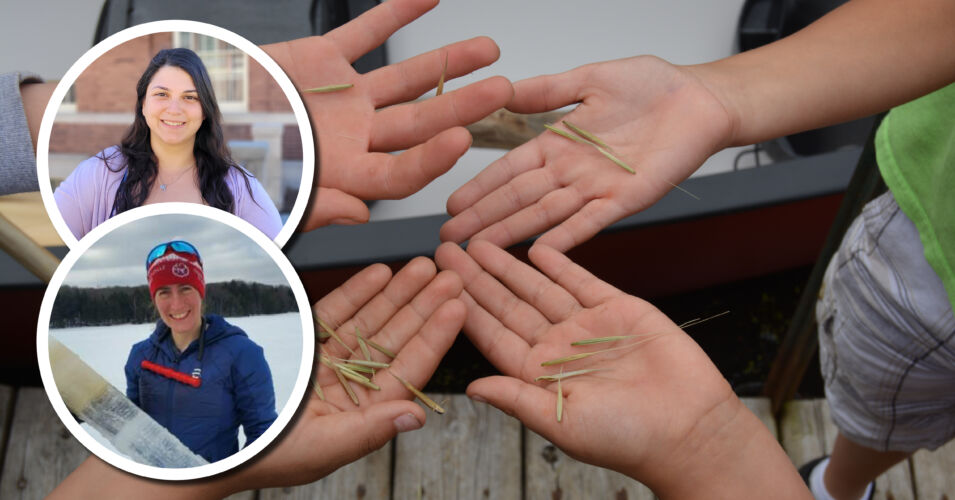
Wetland Coffee Break: Dibaginjigaadeg Anishinaabe Ezhitwaad: A tribal climate adaptation menu for indigenous-led adaptation planning
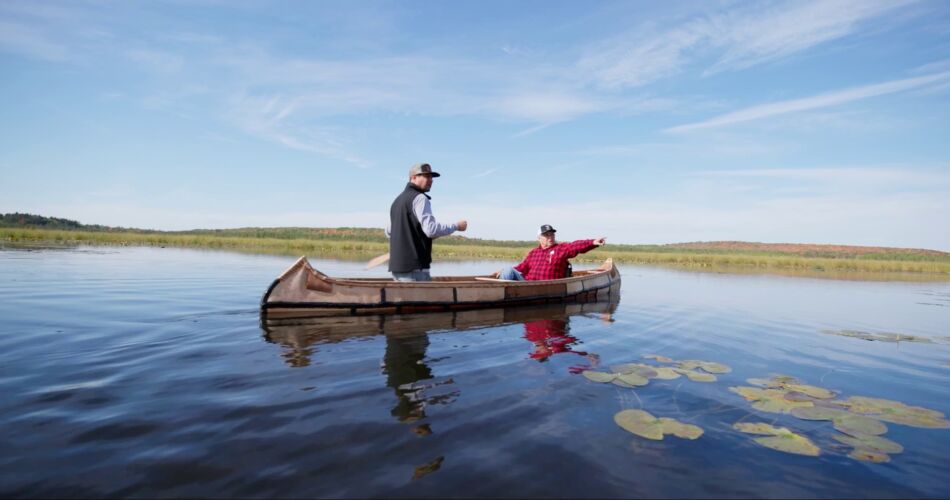
Wisconsin Tribes: Leading the way in protecting and restoring wetlands and watersheds