The latest wetland news
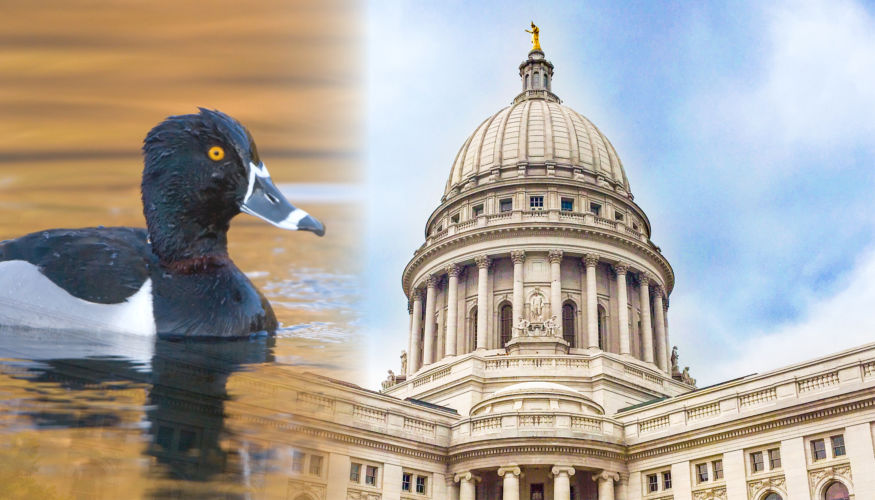
Partner-led campaigns for Knowles-Nelson Stewardship Program and waterfowl stamp
Continuing a strong Knowles Nelson Stewardship Program and increasing the Waterfowl Stamp fee are important wetland priorities up for consideration in the 2021-23 state budget.
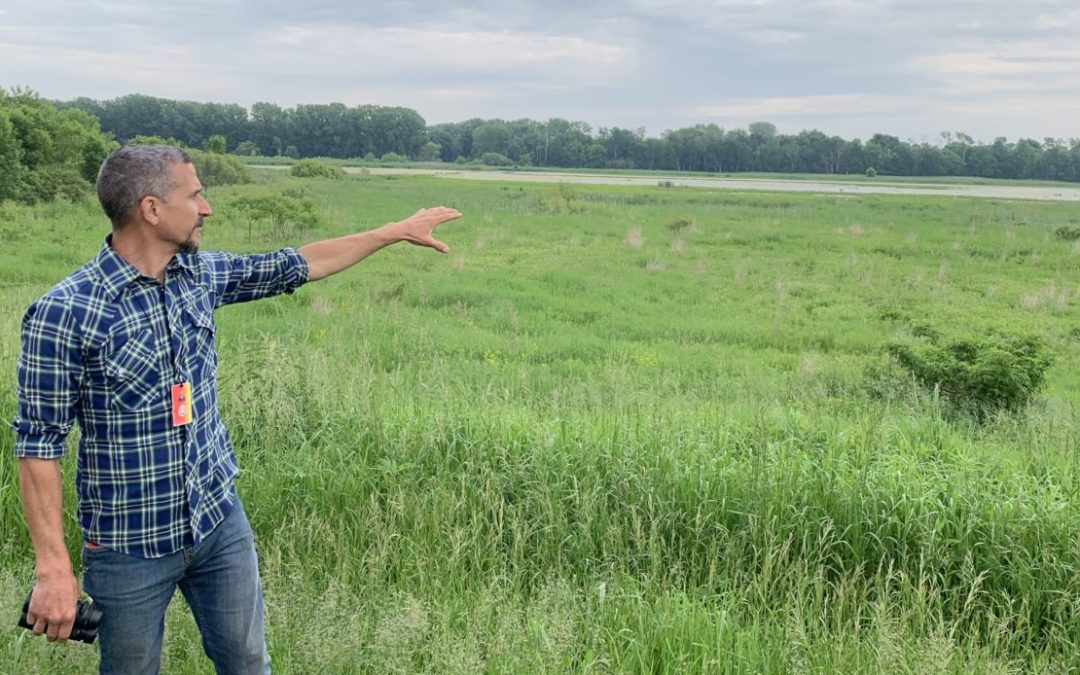
Fixing the water: Community-led watershed-based hydrologic restoration in Wisconsin
We’ve seen how human actions have disrupted hydrology and brought widespread societal and ecological challenges. Now, let’s look at how we can reverse (and are reversing) the damage.
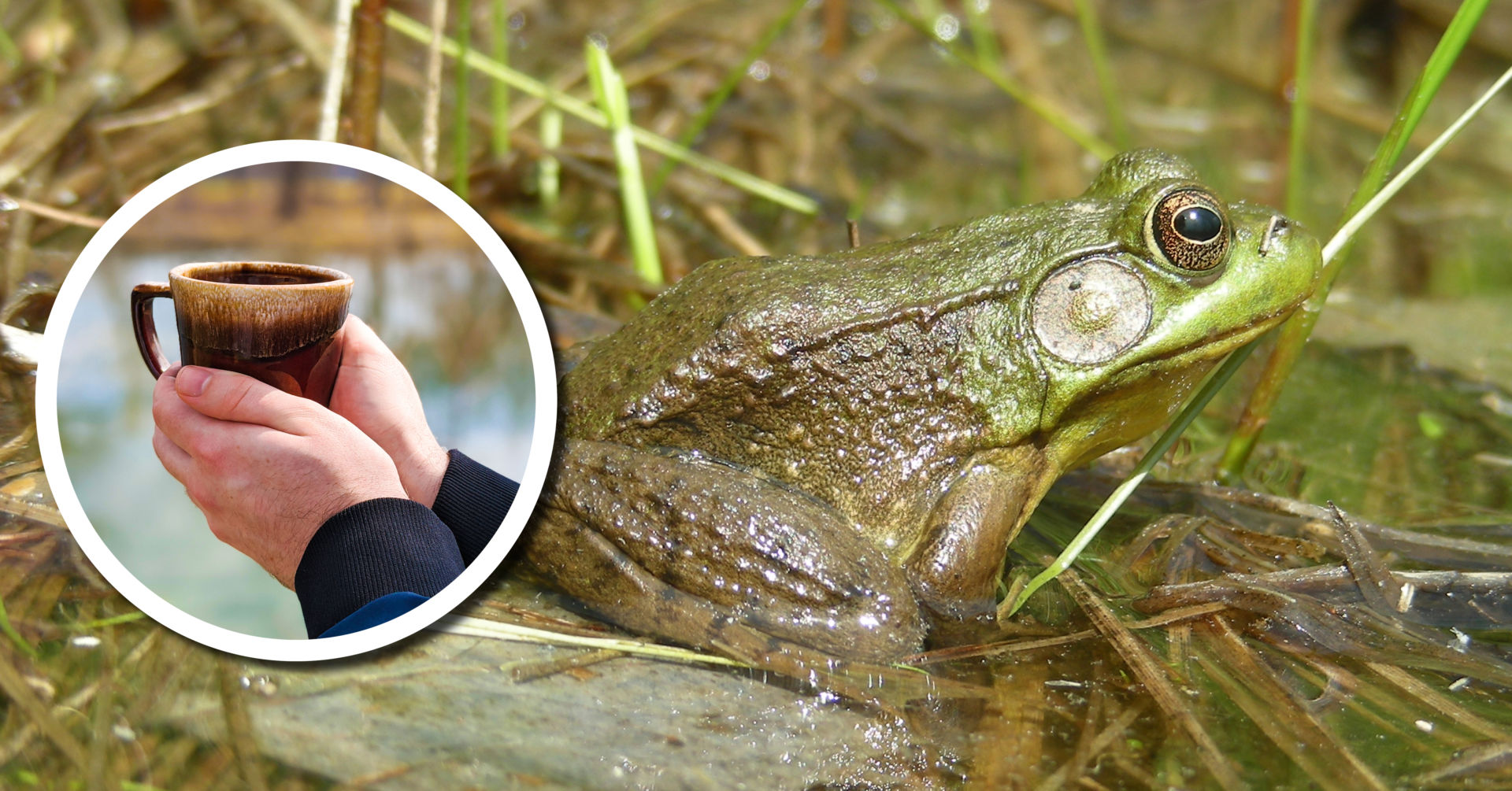
Wetland Coffee Break: New field guide to amphibian egg masses and larvae
Ever wonder what that tadpole is? Need to better identify wetland indicators on your wetland delineations? The new “Field Guide to Amphibian Eggs and Larvae of the Western Great Lakes” can help.

Advocating for wetlands in the state budget
We’ve identified several opportunities to include wetlands in this year’s state budget. We’re advocating for wetlands, and you can help!
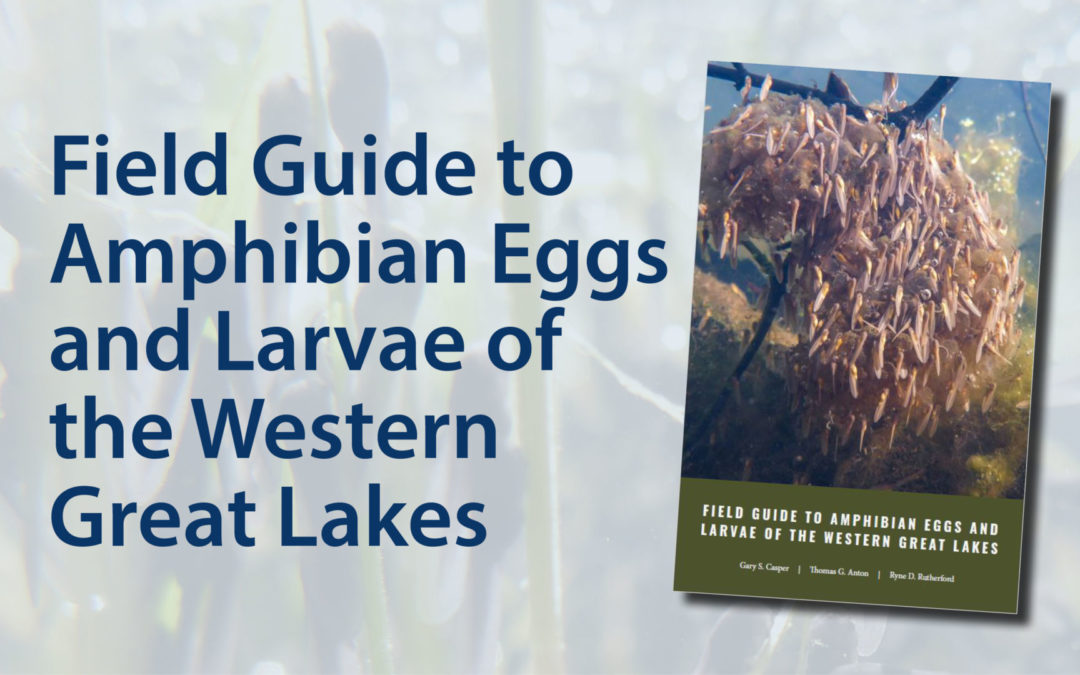
New Field Guide to Amphibian Eggs and Larvae of the Western Great Lakes!
This pocket field guide will help natural resource professionals and citizen scientists alike identify the eggs and larvae of amphibians found in the Western Great Lakes.
The Big Share 2021: Give back to wetlands!
Gifts made today through March 2nd on our Big Share fundraising page will be doubled.
WWA’s 2021 Annual Membership Meeting and Wetland Trivia Night
Join us for a night of wetland trivia and to hear about WWA’s work in 2020!
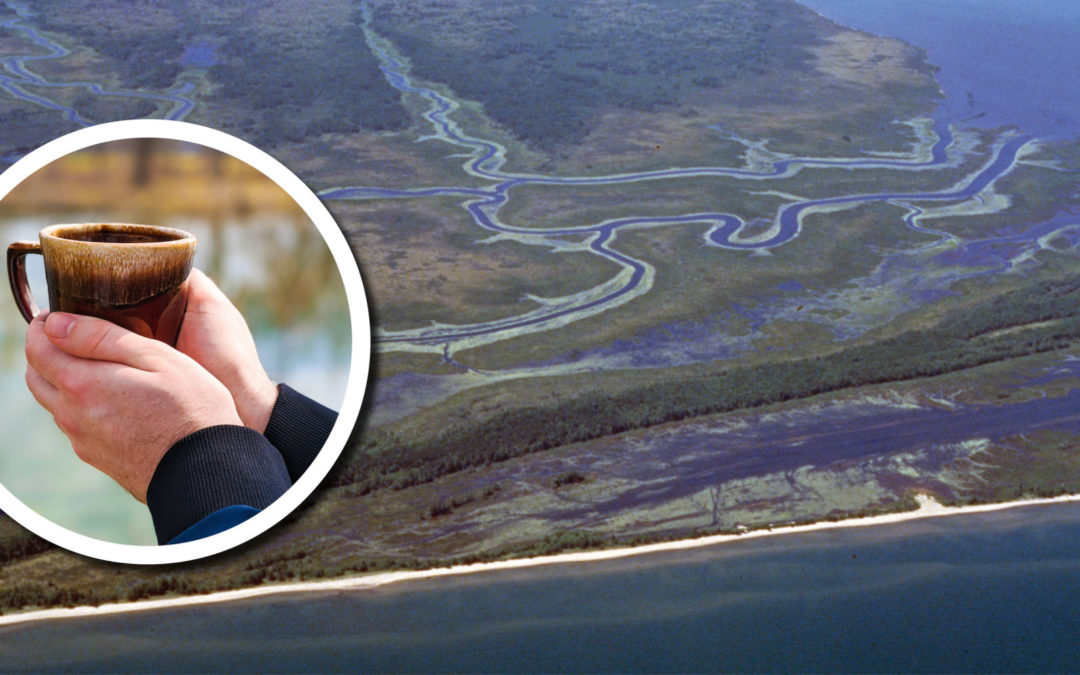
Wetland Coffee Break: Protecting the “Bayou of the North”
At the mouths of the Kakagon and Bad Rivers along Lake Superior in Ashland County lie some of the most extensive and highest-quality coastal wetlands in the Great Lakes.
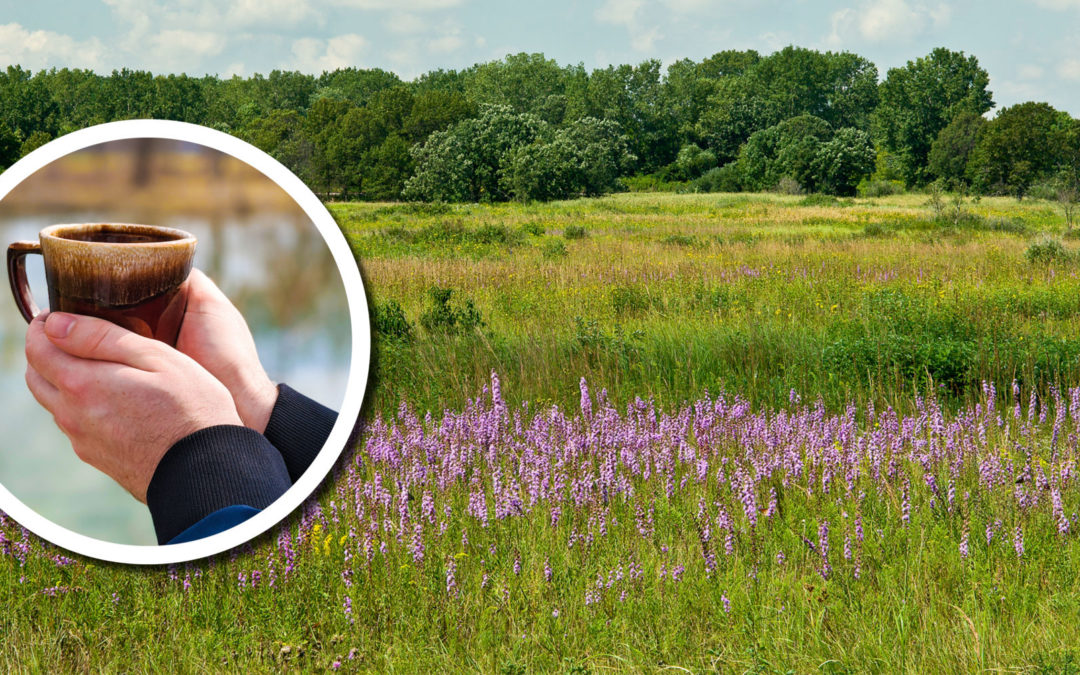
Wetland Coffee Break: The Chiwaukee Prairie
50+ years of conservation and partnerships to protect coastal wetlands.
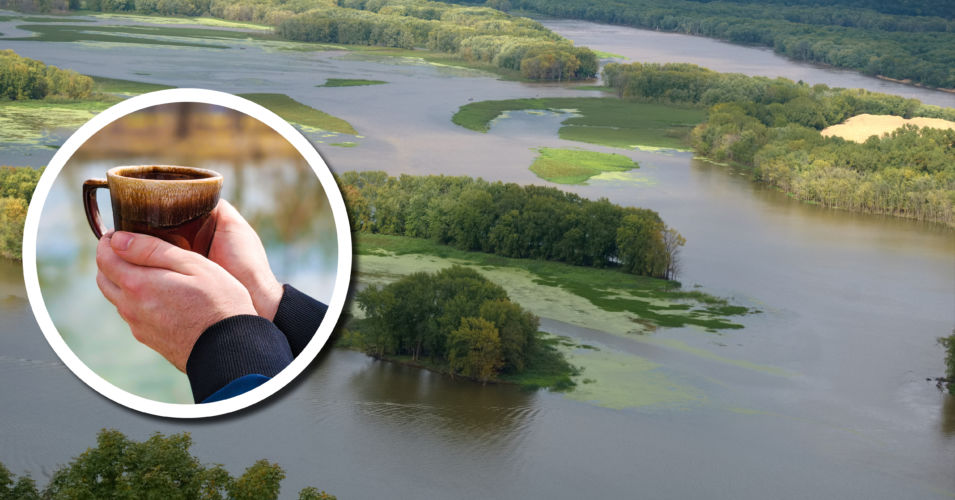
Wetland Coffee Break: A decade since the Ramsar designation of the Upper Mississippi River
Take a photographic journey of this incredibly diverse and magnificent landscape, including the prehistoric snails who call it home and the arctic visitors it entices.