Wetland Coffee Break
The Wetland Coffee Break series helps keep our community of wetland lovers connected and learning about wetlands throughout the year, from anywhere! Bring your coffee and learn about wetlands, the plants and animals that call them home, and the many natural benefits they provide to our communities. Sessions are held on Zoom and feature time for audience Q&A.
See below for a list of upcoming presentations and to register. Once you register, you’ll receive an automatic email including the URL link and password you’ll need to access the meeting. We record and post each presentation so you can watch any that you missed live. You’ll find links to these recordings below, and you can also find them on our Facebook page.
We are grateful to all of the presenters for sharing their knowledge and expertise and to everyone interested in learning more about wetlands! If you are interested in giving a Wetland Coffee Break presentation, or if you have a wetland topic you’d like to see covered, please contact Katie.Beilfuss@wisconsinwetlands.org.
We are now able to provide attendance verification to Wetland Coffee Break audience members who attend the live sessions and request this service. We created this mechanism in response to requests from members of the Wetland Coffee Break audience who would like to apply their Wetland Coffee Break learning to their continuing education or certification requirements. Learn more about how to receive attendance verification here.
Register for a Wetland Coffee Break
Native wetland plant restoration pilot project: Fish Creek Slough Estuary in Ashland, Wisconsin
Kevin Brewster, Super Rivers Watershed Association
Friday, August 7, 2026
10:30 am CT
Description
Watch previous presentations
Click “Older Entries” below to see more past presentations, or view our Google Sheet index of past presentations here.
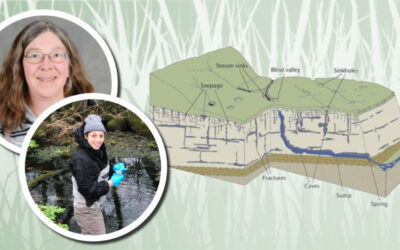
Wetland Coffee Break: Karst hydrogeology & wetlands
Have you ever heard of “karst”? Hydrogeologist Maureen Muldoon will provide an introduction to the hydrogeology of Wisconsin’s karst landscapes. Geologist Grace Graham will talk about the relationship between karst springs and wetlands.
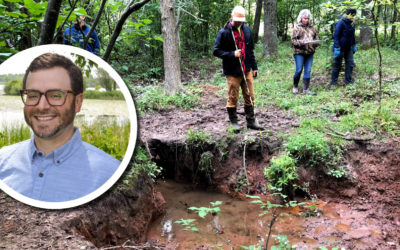
Wetland Coffee Break: Piloting natural flood management in the Lake Superior basin
Kyle will provide an overview of a natural flood management initiative in the Lake Superior Basin aiming to reduce flood risks and create climate-resilient infrastructure.
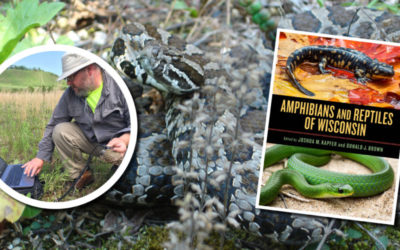
Wetland Coffee Break: Amphibians and reptiles of Wisconsin
Dr. Joshua Kapfer is co-author of the recently-published volume “Amphibian and Reptiles of Wisconsin,” assembled by an expert team of editors and contributors. Learn more about the information in this new book and hear stories about some of the amphibians and reptiles it describes.
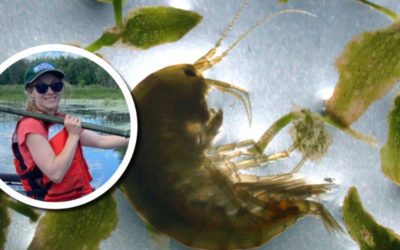
Wetland Coffee Break: Restoring wetland amphipods to revive wetland habitats
Amphipods are important wetland invertebrates that indicate water quality and healthy aquatic plant habitats and are a key food for waterfowl.
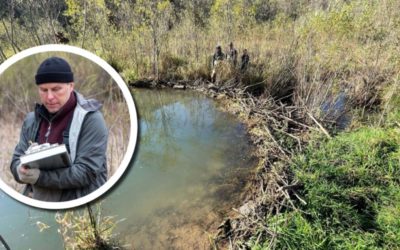
Wetland Coffee Break: The influence of beaver dams on Wisconsin trout streams
Beavers and the wetlands they create play a complex role in the dynamics of low-gradient streams of the Upper Midwest, especially where dams alter important habitat for trout.
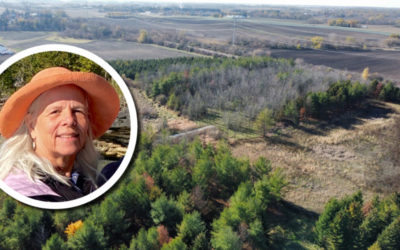
Wetland Coffee Break: Wetland restoration for ravine protection in SE Wisconsin
Hear from Hawthorn Hollow Nature Sanctuary & Arboretum about their restoration project of about two acres of wetland, and the installation of other storm water management measures over roughly six acres.