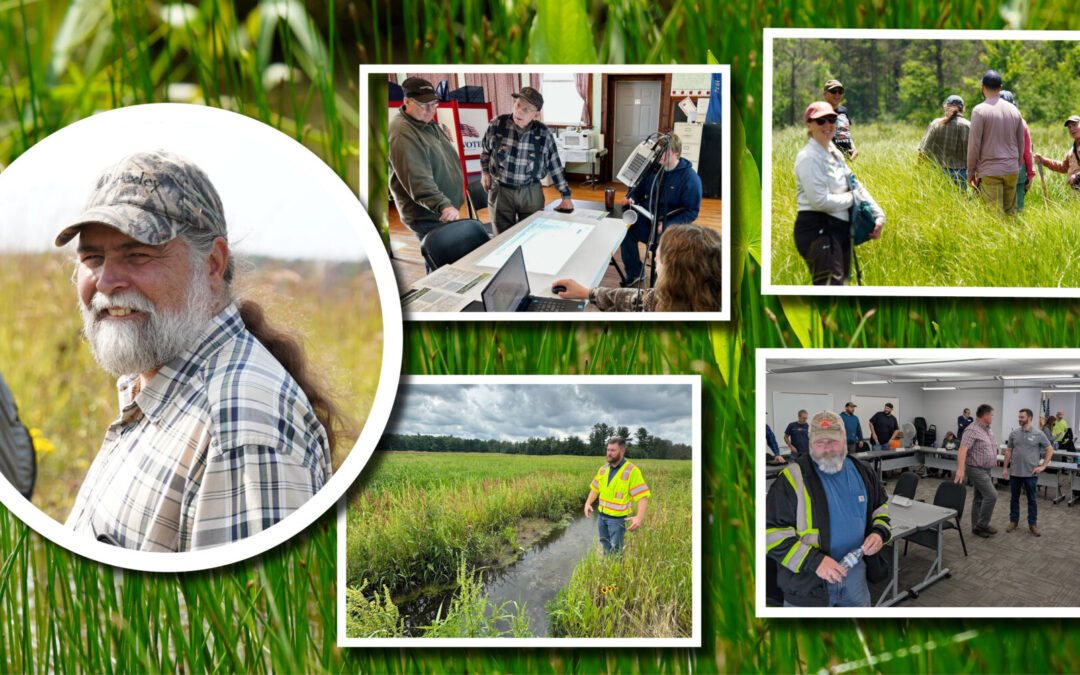
The joke around our office is that protecting and caring for wetlands is easy, except for one factor—people. To have a positive impact on wetlands, we need to interact with people. And for many of us in the wetland profession, this goes against some of the reasons we originally chose this line of work. I got into wildlife and wetland science because I fell in love with the immense diversity of plants and animals. I was intrigued by their often-mysterious connections and relationships, and I longed for the peace, joy, and wonder that come when interacting with nature. I’ll admit that I was shy and a bit of an introvert when I started my career more than 40 years ago (I got over it), but I think that building that personal relationship with nature is crucial early if you want to make an impact later.
That being said, what many of us have learned over the years is that the parts of our work that involve interacting with people now brings us just as much joy as the parts that involve interacting with nature. I guess you could say we came for the wetlands and stayed for the people. People are the cause of many of our wetland issues, but people are also the solution to our wetland issues. And as you know, Wisconsin Wetlands Association is all about solution-oriented work.
The wetlands in Wisconsin are incredibly diverse. The wetland landscape in each of Wisconsin’s ecoregions is drastically different from one another. The wetland challenges we face are complex and also different in each region. Diverse, solution-oriented work, therefore, is needed to address the immense wetland challenges across our state.
So, this brings us back to people. To conduct solution-oriented work, we must work with people. But let’s face it, sometimes people can be hard to work with. And by people, I mean all of us. So, to build stronger solutions to address our diverse wetland issues, we need to appreciate and embrace the great diversity of opinions, perspectives, hopes, dreams, and life experiences that make up this great, wide world of people. In our modern world, however, diversity too often leads to divisiveness. This does not have to be the case. What we’ve found at Wisconsin Wetlands Association is that when we embrace and celebrate our great diversity—our different perspectives, backgrounds, and expertise—this diversity brings joy and success to our work to discover wetland-oriented solutions and results in better outcomes.
The solution-oriented work we’re advancing in Wisconsin by building and engaging a diverse wetland community is getting noticed not only here but across the nation. And why are we getting noticed? Because our approach works. Wetland science shows us that ecological diversity is essential to ecological sustainability. We’ve found, in turn, that a diverse human community is essential to sustainable wetland solutions as well.
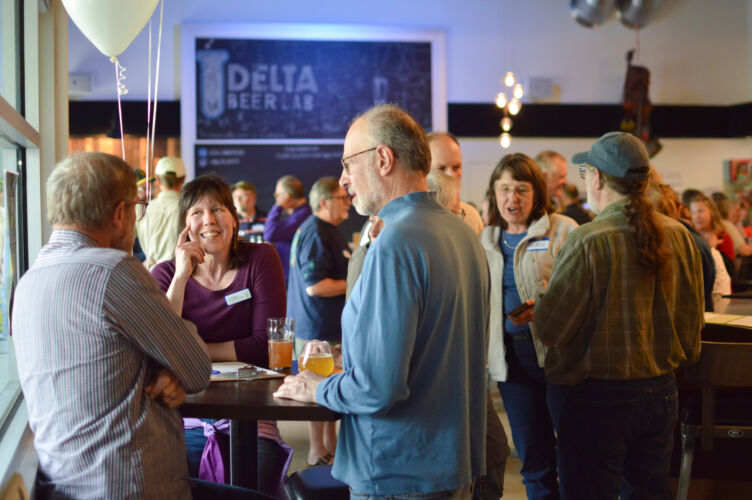
Help us grow a diverse and connected wetland community by attending one or more of the events we’re hosting all around Wisconsin this summer. And when you come, please invite someone you know who may not (yet) have a strong connection to wetlands. Growing our community in size and in points of view will help maintain the success and longevity of our solution-oriented wetland work.
Related content
National attention creates new opportunities for Wisconsin Wetlands Association’s Policy Programs work
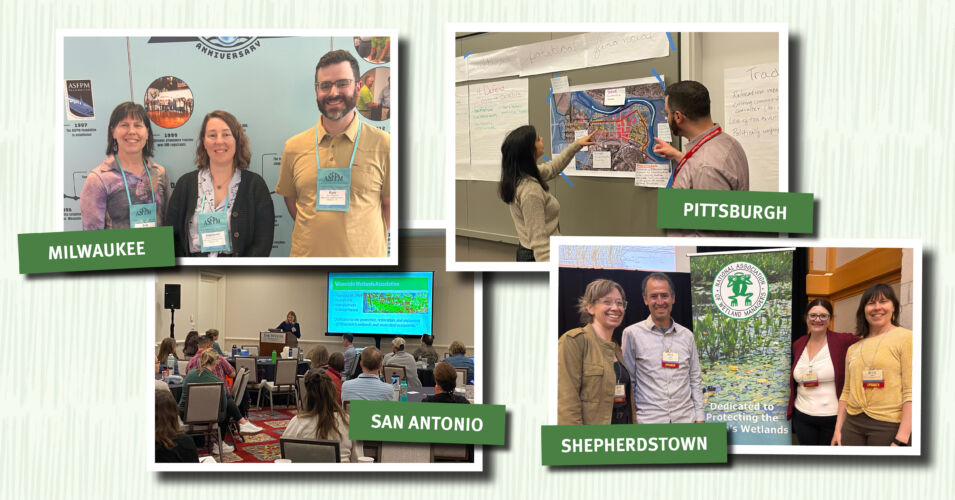
Wisconsin Wetlands Association invited to serve on expert panels at multiple national conferences
Organizers of these panels contacted WWA because the work we’re doing is game-changing.