Wetland Coffee Break
The Wetland Coffee Break series helps keep our community of wetland lovers connected and learning about wetlands throughout the year, from anywhere! Bring your coffee and learn about wetlands, the plants and animals that call them home, and the many natural benefits they provide to our communities. Sessions are held on Zoom and feature time for audience Q&A.
See below for a list of upcoming presentations and to register. Once you register, you’ll receive an automatic email including the URL link and password you’ll need to access the meeting. We record and post each presentation so you can watch any that you missed live. You’ll find links to these recordings below, and you can also find them on our Facebook page.
We are grateful to all of the presenters for sharing their knowledge and expertise and to everyone interested in learning more about wetlands! If you are interested in giving a Wetland Coffee Break presentation, or if you have a wetland topic you’d like to see covered, please contact Katie.Beilfuss@wisconsinwetlands.org.
We are now able to provide attendance verification to Wetland Coffee Break audience members who attend the live sessions and request this service. We created this mechanism in response to requests from members of the Wetland Coffee Break audience who would like to apply their Wetland Coffee Break learning to their continuing education or certification requirements. Learn more about how to receive attendance verification here.
Register for a Wetland Coffee Break
Native wetland plant restoration pilot project: Fish Creek Slough Estuary in Ashland, Wisconsin
Kevin Brewster, Super Rivers Watershed Association
Friday, August 7, 2026
10:30 am CT
Description
Watch previous presentations
Click “Older Entries” below to see more past presentations, or view our Google Sheet index of past presentations here.
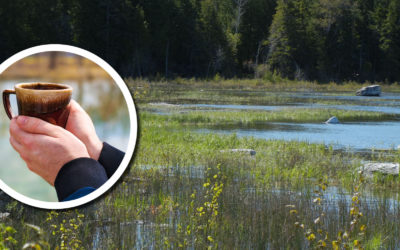
Wetland Coffee Break: The ecological heart of Door County
Explore the “quiet side” of Door County to learn about the special wetland communities and rare plants and animals that made this area a Wetland of International Importance.
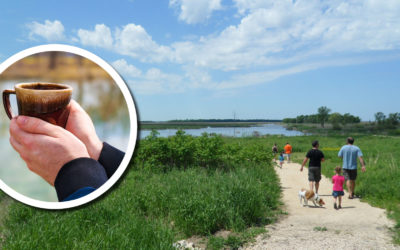
Wetland Coffee Break: The history and ecology of Horicon Marsh, a Wetland of International Importance
Learn about Horicon Marsh, a Wetland of International Importance and testament to the resiliency of nature.
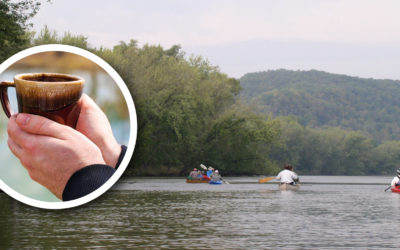
Wetland Coffee Break: A social history of the Lower Wisconsin Riverway, a Wetland of International Importance
People have nurtured the 92-mile-long Lower Wisconsin riverway and its adjacent wetlands and uplands for millennia. Learn more in this special Wetland Coffee Break presentation.
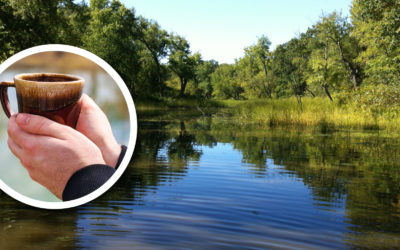
Wetland Coffee Break: Ecology of the Lower Wisconsin Riverway
Learn about important ecological and cultural features of the Lower Wisconsin Riverway and how they make the riverway a Wetland of International Importance.
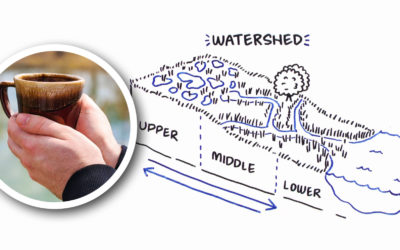
Wetland Coffee Break: Wetland hydrology 101
Add to your knowledge of wetland hydrology with this popular presenation.
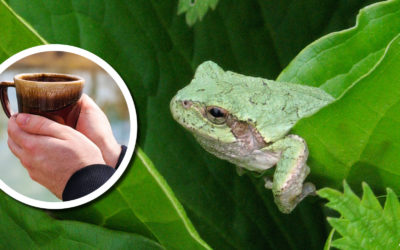
Wetland Coffee Break: Wisconsin frogs: Where are they and what are they doing mid-summer?
Many of Wisconsin’s frog species call and breed in spring and early summer. So what are frogs doing mid-summer after many have completed breeding for the year?