
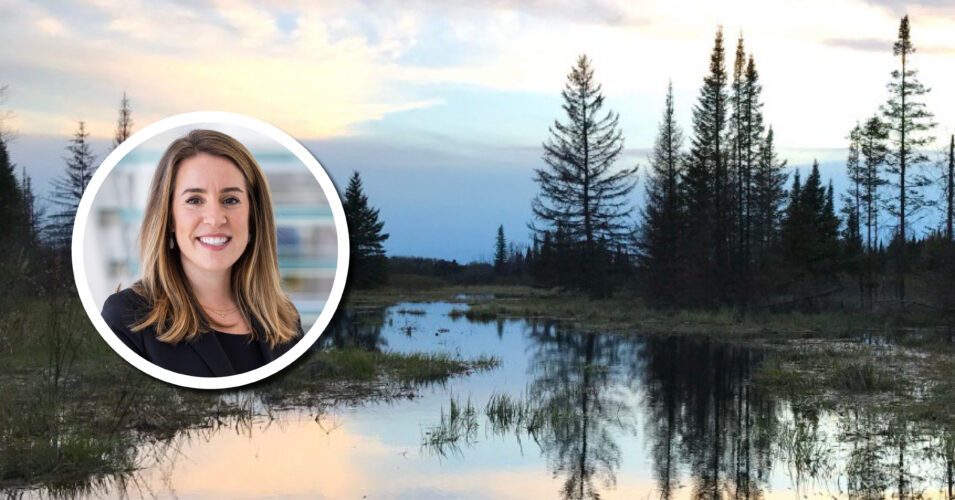
Peatlands are waterlogged wetlands that accumulate peat—organic material storing immense carbon reserves. Globally, they cover just 3% of land yet hold more carbon than all forests combined, and in Wisconsin, they are the most carbon-dense ecosystem in the state. Restoration of degraded peatlands in Wisconsin could cut 2.3 million metric tons of CO₂ annually—roughly equal to removing 500,000 cars from the road—while safeguarding biodiversity, filtering water, and protecting communities from floods and fire. Investing in peatland protection and restoration has the potential to deliver one of Wisconsin’s most impactful strategies for climate mitigation and resilience.
Alex Clayton Moya, Pew Charitable Trusts
Recorded January 30, 2026
Alex Clayton Moya works to incorporate conservation and restoration of coastal blue carbon and peatland habitats in state and national climate policies for Pew’s U.S. conservation project. Before joining Pew, Moya worked for the U.S. Environmental Protection Agency on nonpoint source pollution and Columbia River salmon issues in the Pacific Northwest. Earlier in her career, she worked on international environmental policy with an emphasis on wildlife conservation and served as a Peace Corps volunteer in Nepal. Moya holds a bachelor’s degree in biology from Bucknell University and master’s degrees in public policy and in natural resources and environment from the University of Michigan.
Articles mentioned during the Q&A:
- From Pew: Peatlands Play a Vital Ecological and Economic Role in the US
- From Pew: US States Can Play Major Role in Conserving, Expanding Carbon-Capturing Habitats
- The Nature Conservancy’s Peatland Playbook for Minnesota
- US Forest Service PeatRestore project
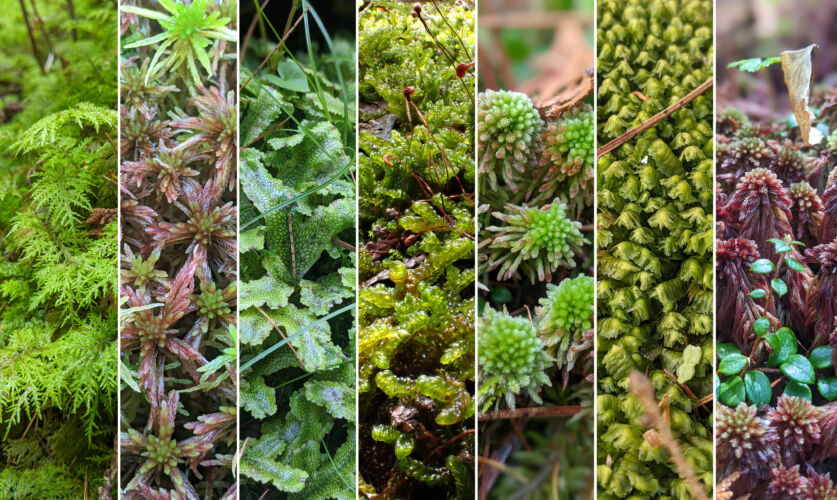
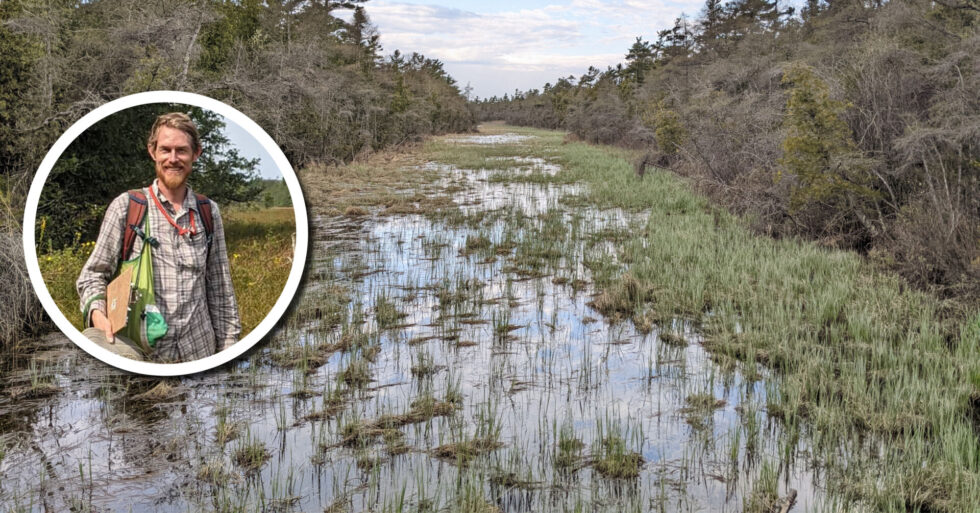
Wetland Coffee Break: Bryophyte floristic quality assessments of Wisconsin peatlands