
By Tod Highsmith, freelance writer on conservation issues and board member of Wisconsin Wetlands Association
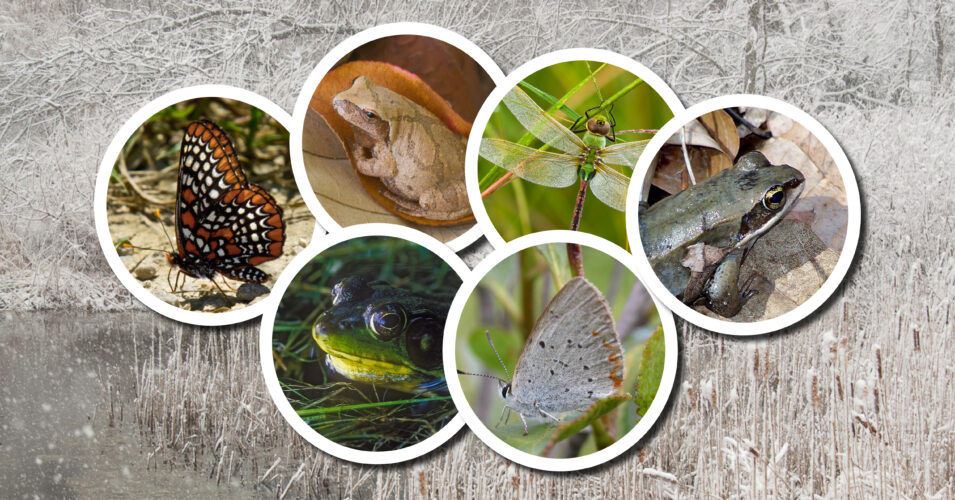
Venturing into a Wisconsin wetland during the coldest months of the year can be a lonely experience. Where did all those buzzing, flying, croaking creatures go? Whether under the ice or in a nearby habitat, wetland insects and amphibians employ a variety of strategies to get through winter.
Take Wisconsin’s many dragonfly and damselfly species, none of whom overwinter here as adults but instead survive as predatory aquatic larvae or, more rarely, as eggs. While the larvae of a few species, such as the Taiga Bluet damselfly, may pass the winter actually encased in ice, others hibernate among the vegetation beneath the ice or may even be sluggishly active in the icy water. Some of the small red Meadowhawk dragonflies that breed in temporary wetlands survive as fertilized eggs attached to plant stems, where they await submergence by the rising waters of spring to stimulate hatching.
 Most Green Darners, one of our largest and most familiar dragonflies, simply flee Wisconsin, flying south come September along with Monarch butterflies and adults of other migratory dragonfly species, like the Black Saddlebags and Wandering Glider. Upon arrival in a warmer clime, these ‘snowbirds’ lay their eggs, which hatch, go through the larval stage, and emerge as adults in a remarkably quick (for a large dragonfly) three months. These southern-born progeny then migrate north the following spring and repopulate Wisconsin’s wetlands, where they lay their own eggs, giving rise to the next generation of southbound migrators.
But a nonmigratory population of Green Darners also exists. These hardy ‘stay-at-homes’ overwinter as half-grown larvae right in the marshes where they were laid as eggs the previous summer, and take a cold but leisurely 11 months to complete the life cycle that their migratory brethren complete in three.
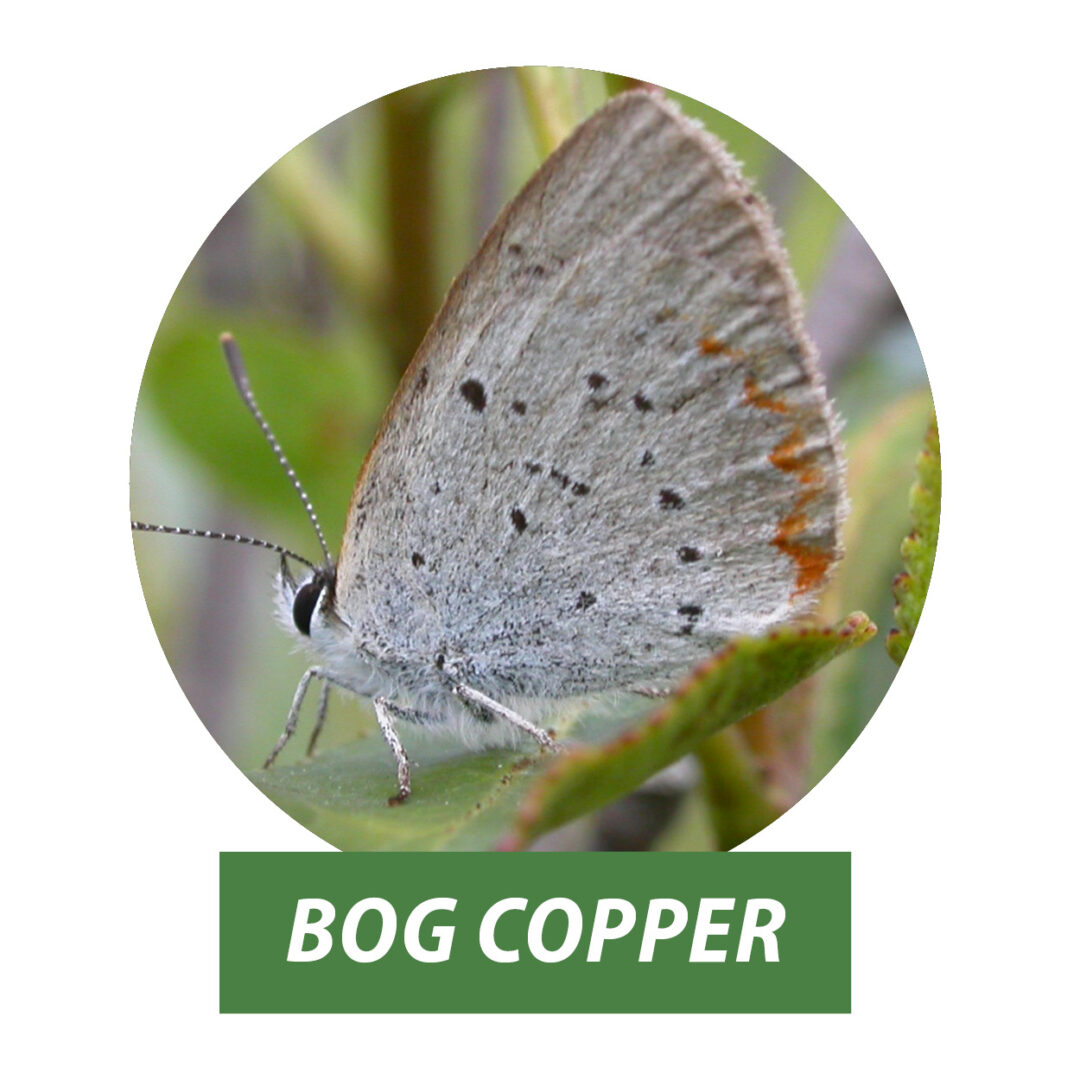 Wetland butterflies seem so dainty and fragile that it’s hard to imagine them enduring the months of snow and ice. The eggs of the tiny Bog Copper fall from the cranberry leaves where they were laid into the shelter of insulating leaf litter below, while caterpillars of the Viceroy—a Monarch look-alike that lays its eggs on willows—prefer to spend the winter tucked inside a rolled-up leaf and secured to a stem by silken threads.
 The lovely Baltimore Checkerspot is partial to the delicate wetland wildflower Turtlehead, on which it lays a large cluster of eggs. Upon hatching, the larvae form a silken nest and live communally for several months, feeding and undergoing repeated molts. Come October, the fourth-stage caterpillars break ranks and jump ship, crawling down their withering host plant into the duff below, where each spends a solitary winter inside its own hibernaculum made from silked-together leafy debris.
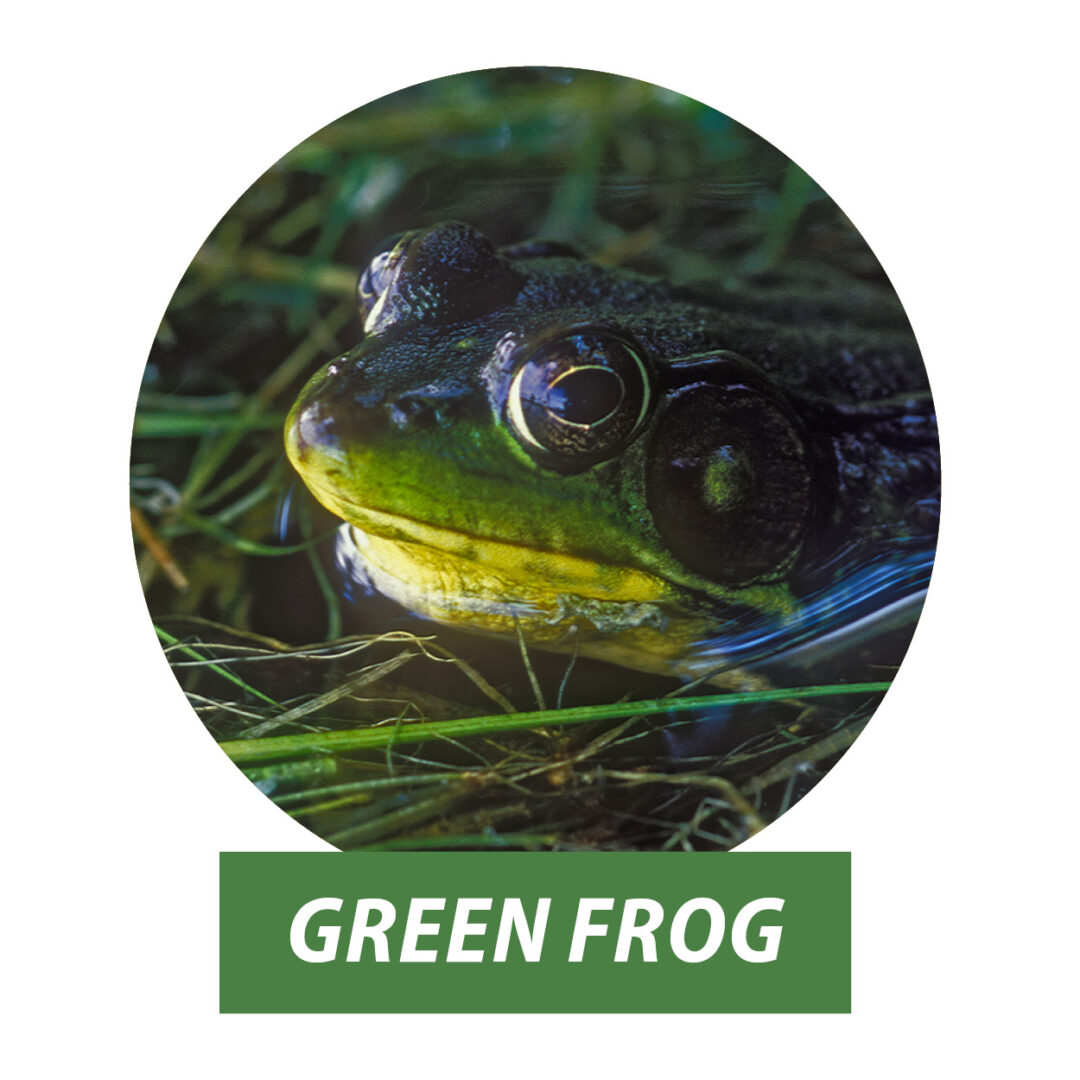 Amphibians such as Green Frogs, Mink Frogs, and Bullfrogs endure Wisconsin winters by burrowing into the insulating layer of debris and soft mud at the bottom of ponds. For them, survival is a balancing act between staying warm enough to avoid freezing but cold enough that their metabolic requirements are near zero. Their ability to take in oxygen directly from the water through their skin is surely a lifesaver during this time.
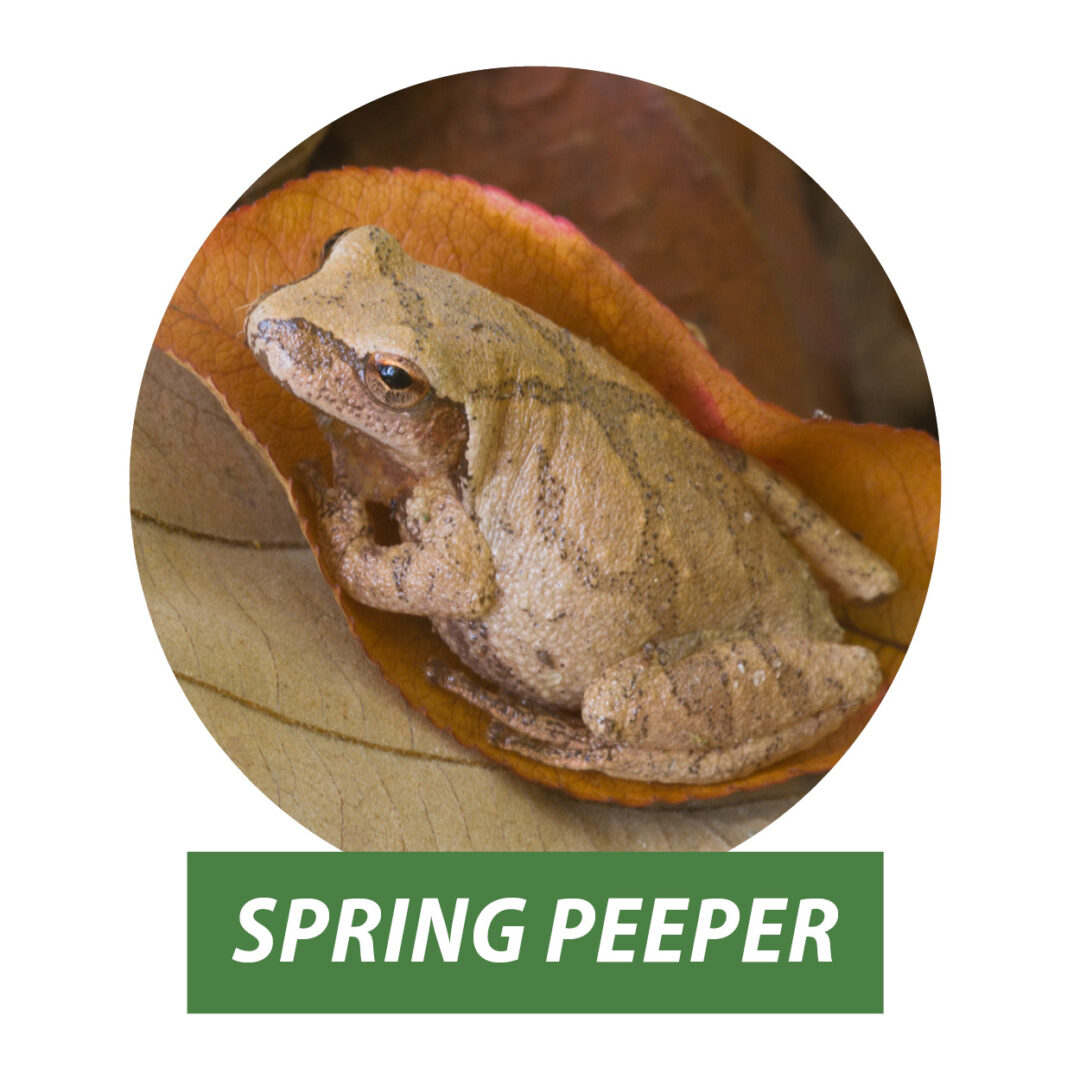 Perhaps the most remarkable response to winter is exhibited by tiny Northern Spring Peepers and Wood Frogs, who simply crawl under the leaf litter and let themselves freeze. Time slows to a halt for these ‘frogsicles’ as their blood ceases to flow, their hearts stop, and up to 65% of the water in their body cavities and the spaces between their cells turns to ice. They can survive long months in this way because a special biological antifreeze prevents ice from crystallizing inside the cells and rupturing them.
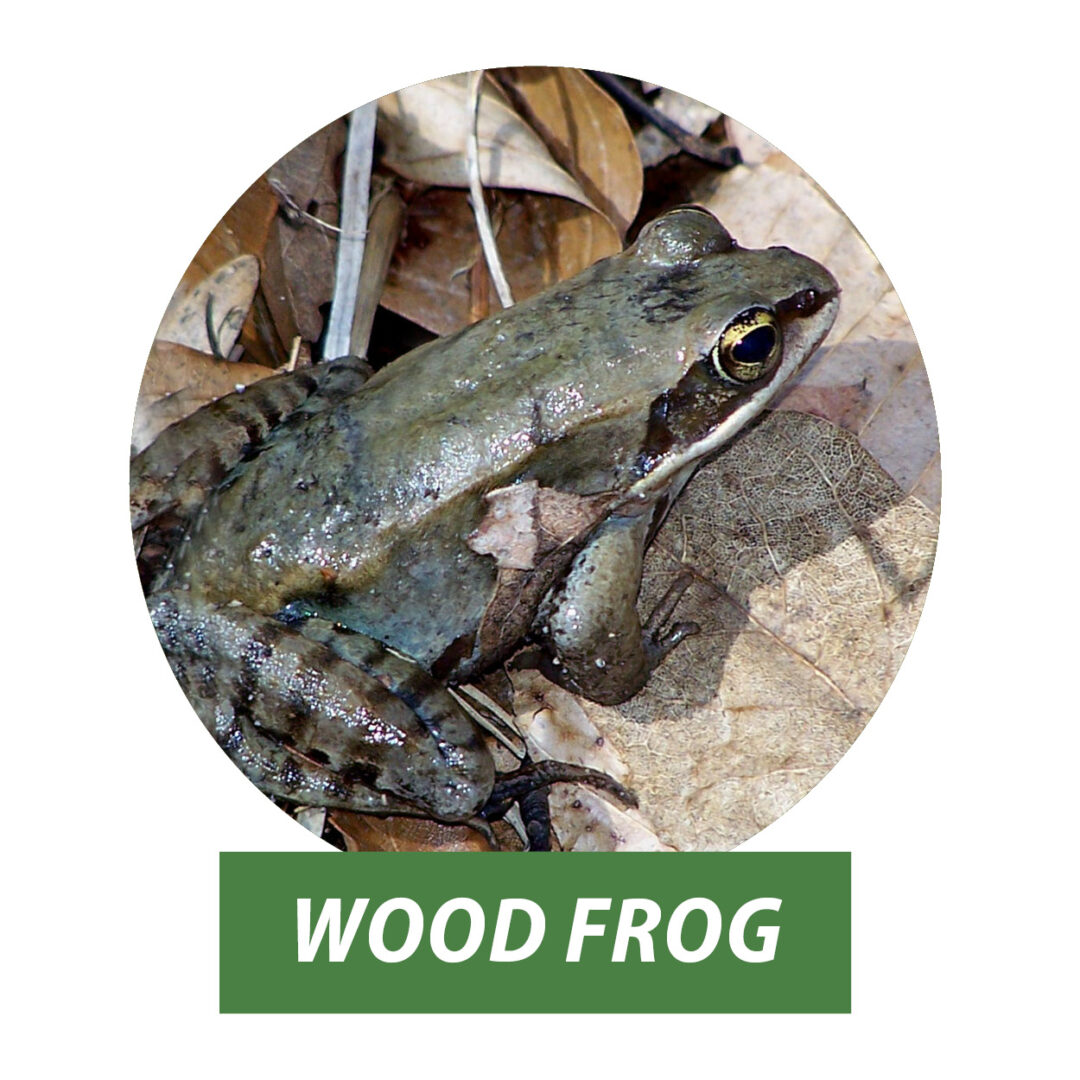 So, as winter days lengthen and you hunger for spring, remember that innumerable little creatures will soon be hatching, pupating, thawing, and, crawling out of the mud to resume the flitting, buzzing, peeping, and croaking that make Wisconsin’s wetlands so alive and enjoyable.
Wintery background photo: Gary Shackelford | Species photos: Green darner by Gary Shackelford; Bog Copper by Mike Reese; Turtlehead by Kate Redmond; Baltimore Checkerspot by Ken Tapp; Green Frog by Gary Shackelford; Wood Frog by Kate Redmond; Spring Peeper by Gary Shackelford
Related content
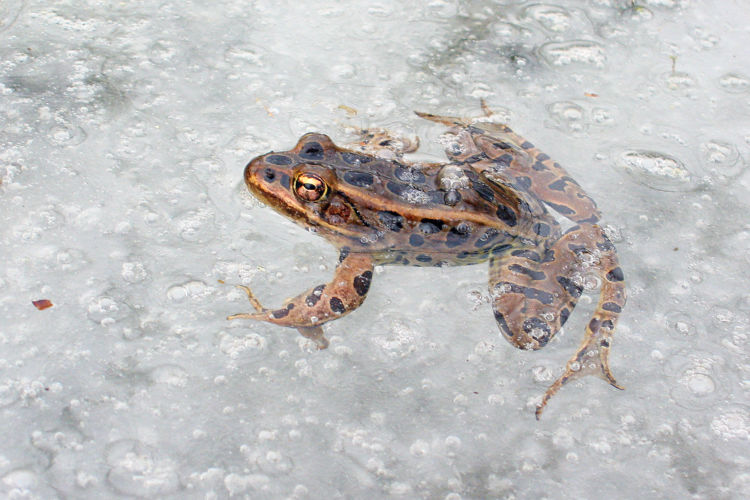
How do frogs survive late spring snows?
When winter weather makes a late appearance in spring, how do frogs survive?
Of warblers and willows: Wetlands offer refuge from the storm