
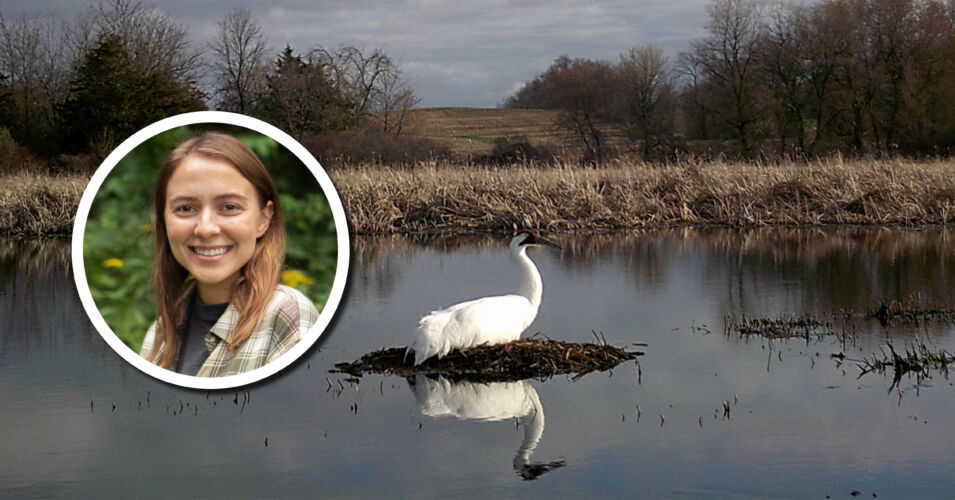
The reintroduction of the Whooping Cranes in Wisconsin as part of the Eastern Migratory Population began in 2001 with the release of juveniles raised in human care at Necedah National Wildlife Refuge. As Whooping Crane release sites expanded to additional areas across the state, questions emerged about how wetland habitat characteristics influence nest site selection and hatching success. Join Nicki Gordon of the International Crane Foundation to learn about efforts to evaluate and compare habitat characteristics across breeding areas throughout Wisconsin, work that will provide guidance for wetland management and selection of future crane release sites.
Nicki Gordon, International Crane Foundation
Recorded April 10, 2026
Nicki Gordon grew up in northwest Ohio and earned her bachelor’s degree in biology from Bowling Green State University. She completed her master’s degree in wildlife ecology at UW-Madison, focusing on predator occupancy on the breeding grounds of the Eastern Migratory Population of Whooping Cranes.
Related content
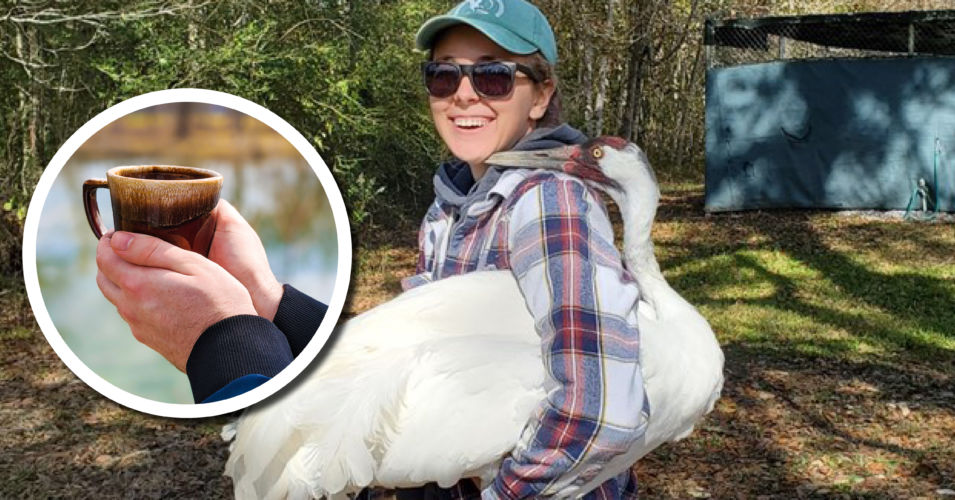
Wetland Coffee Break: Whooping crane conservation in Wisconsin
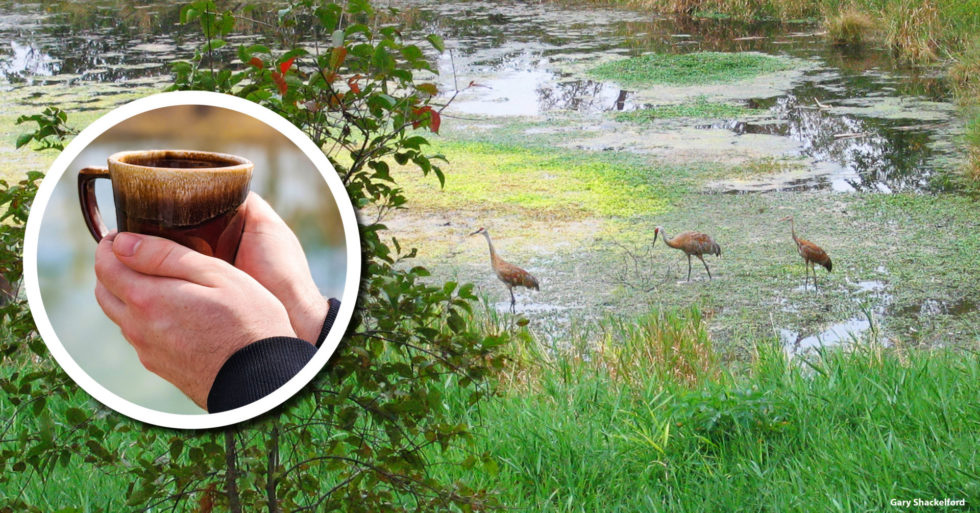
Wetland Coffee Break: Sandhill 101: The ecology and behaviors of Sandhill Cranes