For communities
Why wetlands?
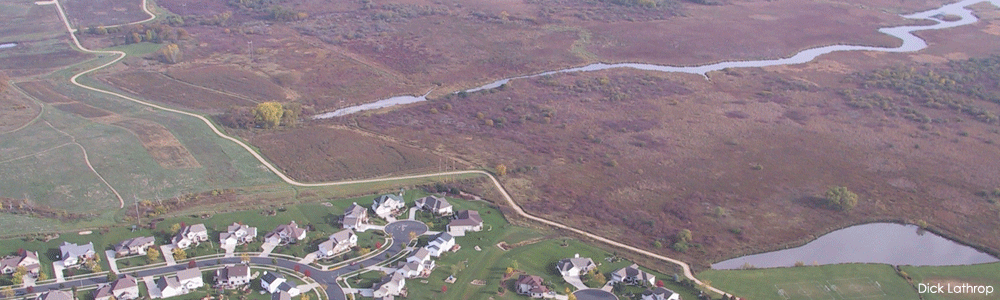
Healthy wetland landscapes contribute to the health, safety, and livability of nearly every Wisconsin community. Learn more about how wetlands provide cost-effective amenities and services to your community.
Tools for communities
Learn more about wetlands – Find tools and resources that explain the benefits of wetlands and how you can use wetlands to protect public health, safety, and welfare.
Model wetland conservation ordinance – Explore policy options that your community can adopt to put wetlands to work for achieving community goals and priorities.
Wetlands in your community – Learn about your county’s current and historical wetland landscape.
Updates for communities
We regularly post updates, information, and various information for communities. Check out a few recent posts below.
New Hydrologic Restoration General Permit unveiled
This new permit has been a priority for our organization, as it improves the permitting process for hydrology-focused wetland restoration, floodplain reconnection, and channel improvement projects in Wisconsin.
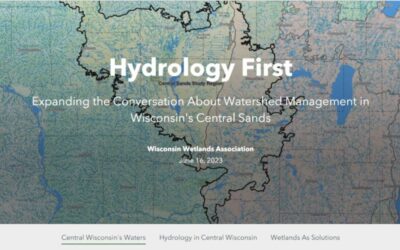
Illustrating hydrology and water management in a new StoryMap
Are you curious about where to start when it comes to understanding the root causes of your community’s water issues, like water quality or water availability?
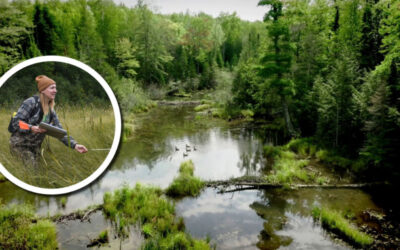
Wetland Coffee Break: Wetland monitoring and protection on the Red Cliff reservation
Take a tour of the wetlands in Red Cliff and learn about efforts to monitor and manage the Tribe’s wetlands.