This article continues the series highlighting our collaborations with various state agencies. Read the first in this series here.
State agencies exist to administer policies and programs that either create public benefits, prevent public harm, or both. Healthy and abundant wetlands also provide public benefits and prevent public harm. This is why so many state agencies have enthusiastically embraced Wisconsin Wetlands Association’s efforts to help them integrate wetland strategies to address issues of statewide concern.
Though some of these partnerships are relatively new, collaborations with the Wisconsin Department of Natural Resources (WDNR) have been a mainstay of our work. While not the only state agency administering policies and programs that can help or hinder the restoration of wetlands, WDNR’s work in fisheries and wildlife management, forestry, runoff management, groundwater management, and environmental protection gives it the broadest reach.
Wisconsin Wetlands Association (WWA) has worked with most of these programs to some degree, but none more than WDNR’s Waterways Bureau, which supports the development and administration of environmental regulations affecting Wisconsin’s wetlands, lakes, rivers, and floodplains.
Historical Context
WWA’s history with WDNR’s regulatory programs dates to when we first began advocating to establish state laws that protect Wisconsin’s wetlands more than 50 years ago. We helped develop aspects of Wisconsin’s original wetland regulatory program and have remained actively engaged with many programmatic changes since. Eras came and went—and will likely come again—where we needed to defend these laws. But more than 30 years on, they remain largely intact and the envy of wetland conservation advocates across the nation.
Despite these enduring protections, with more than 5 million wetland acres drained or developed, for WWA to achieve our vision, we need to help put hundreds of thousands of wetland acres back on the landscape.
Our vision:
We envision a state where wetlands are healthy and plentiful and support ecological and societal needs; and where citizens care for, appreciate, and interact with these natural resources.
Among other things, this will take more willing landowners, increased funding, and a larger and well-trained wetland restoration workforce. Also, because every wetland restoration project goes through a mandatory WDNR regulatory review, we need regulations and regulators that encourage and help enable wetland restoration.
Until very recently, many wetland restoration projects were subject to the same review criteria and conditions as wetland development projects in or near wetlands. Wisconsin’s strong policies preventing wetland harm were inadvertently hindering innovative approaches to voluntary wetland restoration. This brings us to today.
A New Era
With an eye on our vision, our collaborations with WDNR today place a much higher emphasis on improving policy and program supports for the voluntary restoration of wetlands, floodplains, and streams and the many connections between them. We call this hydrologic restoration.
This work touches many WDNR programs, but our efforts to support WDNR’s rollout of Wisconsin’s new Hydrologic Restoration General Permit (HRGP) offer a good example of a funded collaboration.
The HRGP offers a fresh approach to regulatory review by tying permit eligibility to hydrologic outcomes rather than to a limited number of practices. It also offers a one-stop shop for projects that traditionally may have required multiple WDNR permits.
We helped WDNR secure funding from the Environmental Protection Agency for a project that supports the development of operating procedures for administration of the HRGP, WDNR staff training, and outreach to help potential applicants develop successful proposals.
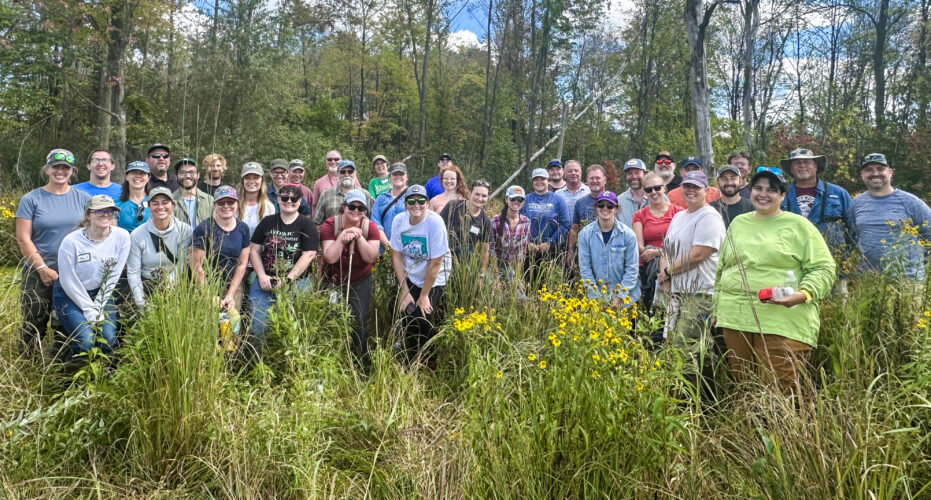
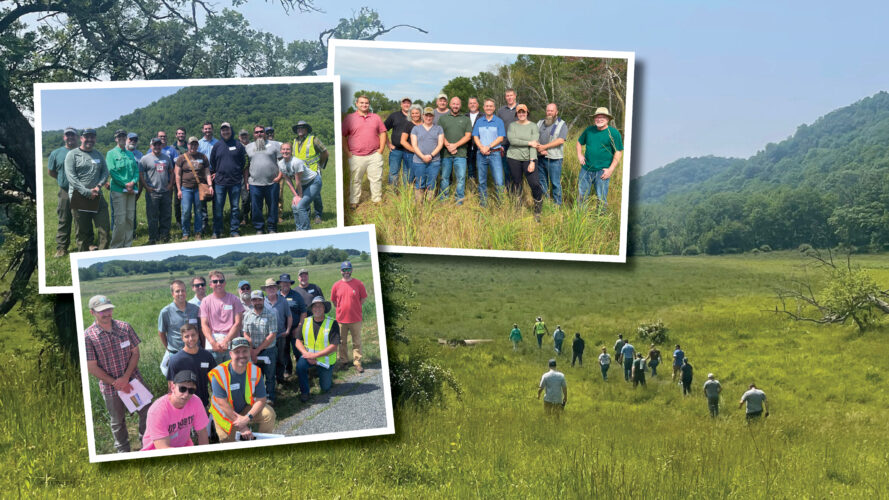
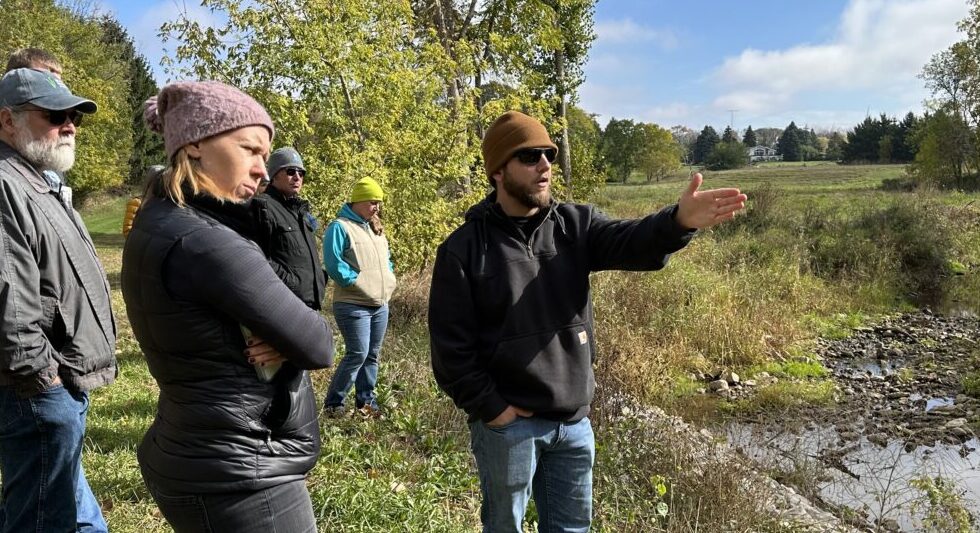
As a funded partner, we have helped develop and deliver webinars on hydrology fundamentals and hosted a field tour of recently restored wetlands and waterways for WDNR regulatory staff.
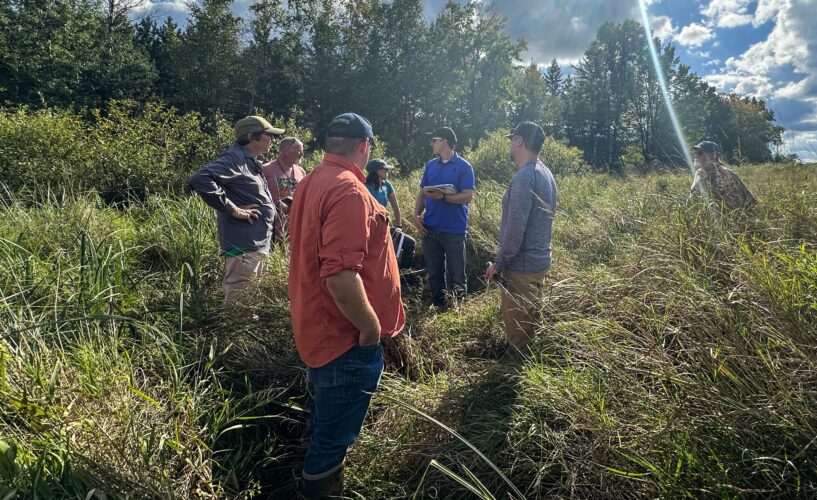
This fall, WWA helped plan and host a field-based training on hydrologic restoration for WDNR’s
Water Management Specialists and Water Management Engineers.
These trainings mirror those we helped provide to DATCP Conservation Engineers and County Land Conservation Department staff earlier this year. This integrated approach helps improve collaboration between state agencies, local governments, and other conservation professionals and advances our goal to build a more robust and effective wetland community and workforce.
This fall and winter, the project focus will shift towards developing and distributing HRGP-related materials to potential applicants. WWA and WDNR will also present information about the HRGP’s objectives, eligibility requirements, and early project examples at multiple professional conferences, including our annual Wetland Science Conference in February (see page 3).
It will take time before we can measure the results of this and other WDNR collaborations in terms of increased wetland acres or improved project outcomes, but momentum is building. WDNR expects to approve more than a dozen HRGP applications by the end of this field season and has demonstrated a strong commitment to building staff knowledge, capacity, and motivation to accelerate hydrologic restoration in Wisconsin.
Related content
Building policy and program supports for wetlands conservation: The importance of state agencies
Agency Collaboration Profile: Wisconsin Emergency Management