For communities
Why wetlands?
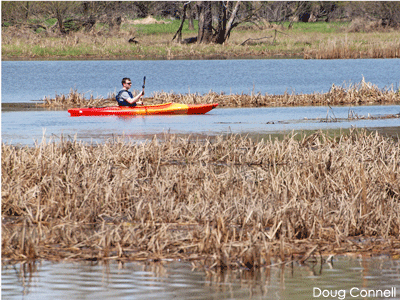
Healthy wetland landscapes contribute to the health, safety, and livability of nearly every Wisconsin community. Learn more about how wetlands provide cost-effective amenities and services to your community.
Tools for communities
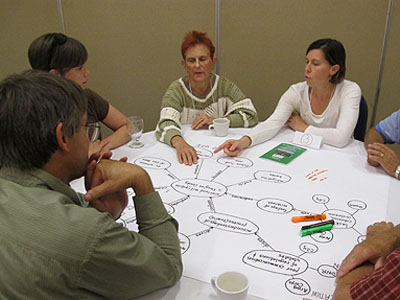
Learn more about wetlands – Find tools and resources that explain the benefits of wetlands and how you can use wetlands to protect public health, safety, and welfare.
Model wetland conservation ordinance – Explore policy options that your community can adopt to put wetlands to work for achieving community goals and priorities.
Wetlands in your community – Learn about your county’s current and historical wetland landscape.
Updates for communities
We regularly post updates, information, and various information for communities. Check out a few recent posts below.
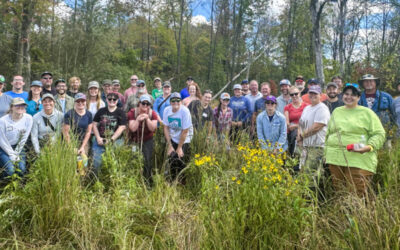
Agency Collaboration Profile: Wisconsin Department of Natural Resources
State agencies exist to administer policies and programs that either create public benefits, prevent public harm, or both. Healthy and abundant wetlands also provide public benefits and prevent public harm.
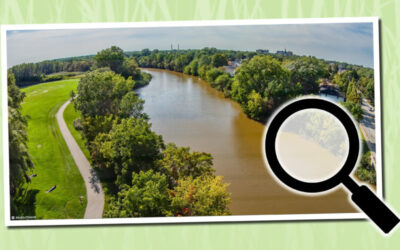
Un-filling a wetland: The East River Emilie Park wetland restoration in Green Bay
Learn more about one of the projects funded by the innovative Pre-Disaster Flood Resilience Grant Program. In the first round of the program, the City of Green Bay received $250,000 for an implementation project.
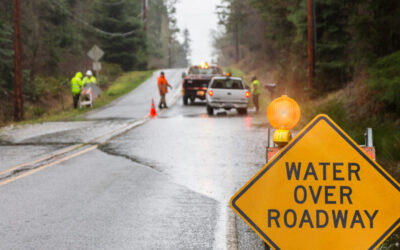
Agency Collaboration Profile: Wisconsin Emergency Management
State agency initiatives offer an effective pathway to increase public investments in wetlands conservation and build a more robust and cohesive wetland workforce.