|
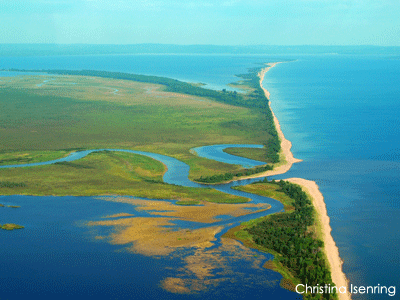
In addition to their tremendous ecological value, Wisconsin's wetlands also provide a number of functions and services that are of significant economic value. These services include removing pollution from runoff, recharging groundwater supplies, preventing flooding, and providing recreational opportunities. A 1998 Coastal Alliance study ranked Wisconsin 12th in the nation in terms of the value of wetland services lost -- estimated at $26 billion -- due to wetland draining and filling. The same study estimated that Wisconsin's remaining 5.3 million acres have an economic value of $32 billion because of the services they provide. Read more about wetland services and their economic value below.
Pure Water
Wetlands are commonly compared to kidneys because of their ability to purify water. Acting as natural filters, wetlands remove pollution in runoff that flows from our streets, parking lots, golf courses, lawns and agricultural lands. Wetland plants and microbes trap sediments, accumulate fertilizers, transform a variety of toxic substances such as pesticides and heavy metals, and can remove potentially dangerous microorganisms. While technological means to remove such pollutants from waters is highly expensive, healthy wetlands can provide this service for free. This wetland function is critical to maintaining clean and healthy waters that are drinkable, swimmable, and fishable for current and future generations in Wisconsin.
Nature’s Hazard Insurance
Wetlands are critical to flood prevention. Often likened to sponges, wetlands soak up and retain runoff when it rains, slowly releasing it to groundwater or adjacent streams, rivers, and lakes. The need for wetland protection and restoration in Wisconsin was underscored by the intense flooding that parts of Wisconsin endured last spring. According to the Wisconsin Emergency Management agency, public and private property owners incurred over $87 million dollars in damages from natural disasters in 2004, much of which stemmed from flooding in May and June. Parties affected included businesses, farmers, municipalities, and more than 5000 individual homeowners in 44 counties. Wisconsin needs wetlands now more than ever to prevent future flooding and associated economic damages.
Wisconsin’s Playground
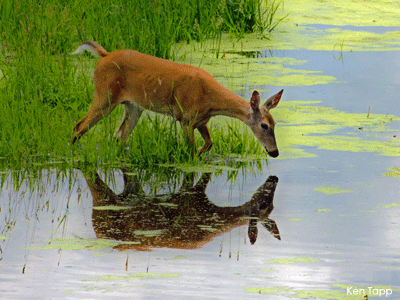
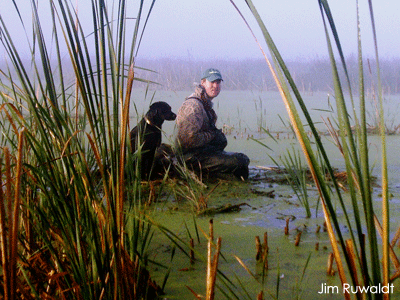
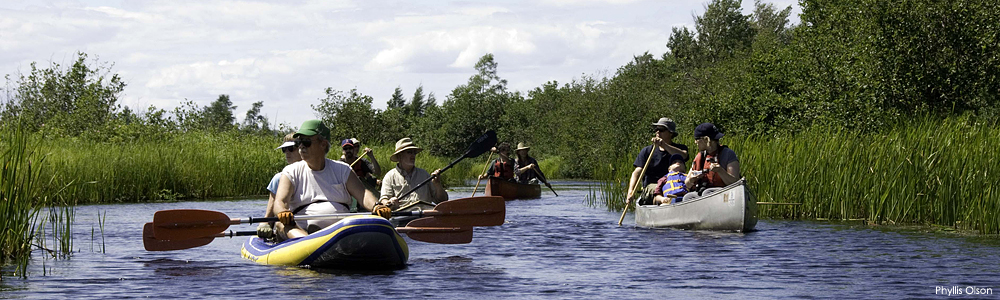
Outdoor recreation is the most popular and fastest growing leisure activity in the United States today, with an annual increase of about 30 percent since 1987. Wisconsin is at the forefront of this trend thanks to the scenic beauty and quality of our state’s waters and natural areas. Wetlands provide a wealth of recreational opportunities for Wisconsinites and out of state visitors, including hunting and fishing, paddling and hiking, birdwatching and wildlife viewing; wetlands are also great places to escape the fast pace of life to simply relax and enjoy the scenery. According to the Wisconsin Department of Tourism, tourism is the state’s second largest industry, generating more than $11 billion each year. Therefore, protecting wetlands and their recreation values contributes to a healthy economy in Wisconsin.
For more information on the economic values of wetlands, see:
Economic Benefits of Wetlands Fact Sheet, a U.S. Environmental Protection Agency publication.
What's a Wetland Worth? A Look at the Ledger Will Show Wetlands Have Value Far Beyond the Bottom Line, a Wisconsin Department of Natural Resources publication.
Back to Top
|